For laboratory research use only — not for human or veterinary use. Not evaluated by the U.S. FDA.
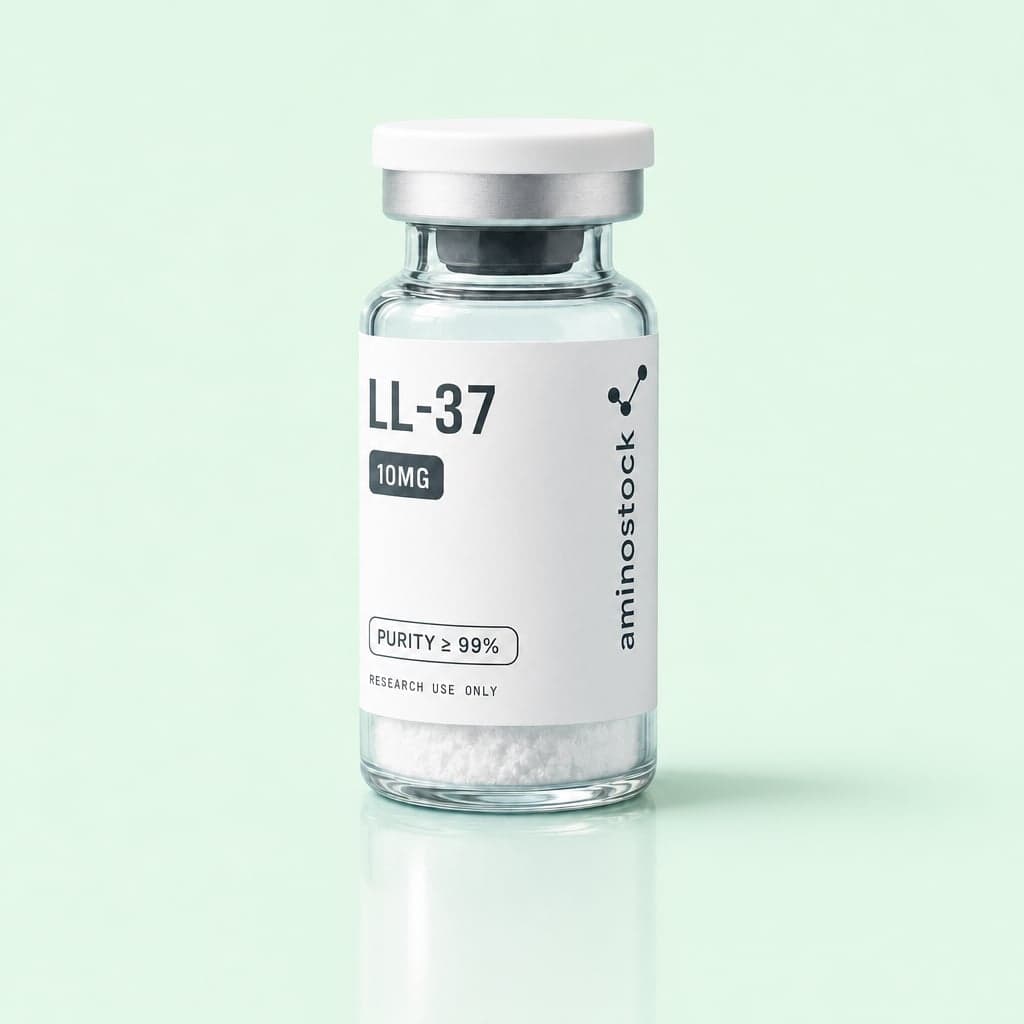
Cellular Peptide
LL-37
The 37-amino-acid active domain of the cathelicidin precursor hCAP-18, studied in preclinical models for antimicrobial and immunomodulatory signaling.
Quantity
$65.99
Bundle & save
Order by 3:00 PM ET for same-day dispatch
Cutoff 3:00 PM ET · same-day dispatch
Estimated arrival in 2 business days
Overnight shipping available
Free shipment protection included
LL-37
1 × 10mg · $65.99
99% purity, QC passed
HPLC + mass-spec verified
Shipment protection
Free on every order
Free shipping over $150
Same-day dispatch before 3PM ET
About LL-37
Structure and research context
LL-37 is the endogenous cathelicidin peptide: the 37-residue C-terminal domain (C205H340N60O53, about 4,493 g/mol) of the 18 kDa cationic antimicrobial protein precursor hCAP-18. Cathelicidins share a highly conserved N-terminal pre-pro region homologous to cathelin and a variable C-terminal domain that carries their antimicrobial and immunomodulatory activity. In neutrophils, hCAP-18 is stored in peroxidase-negative granules and is cleaved after exocytosis by the serine protease proteinase 3 to release LL-37. The precursor is also produced by epithelial cells of the skin, respiratory tract and gastrointestinal tract.
LL-37 in the research literature
Beyond direct activity against bacteria, fungi and viruses, LL-37 has been studied as a signaling molecule in innate immunity. In cell-based assays it induced calcium mobilization and chemotaxis in monocytes, neutrophils and T cells, and in HEK293 cells transfected with formyl peptide receptor-like 1 (FPRL1), identifying FPRL1 as one of its receptors. Reviews describe additional roles in modulating inflammatory responses and leukocyte chemo-attraction, and structure-activity work has examined shorter fragments of the LL-37 domain such as SK-24, IV-20 and FK-13.
Because native LL-37 shows limited proteolytic stability and cytotoxicity in some assays, peptide-design studies have explored truncated and retro-analogs and nanoscale carrier systems.
Summarized from peer-reviewed literature for research context only; not a product claim. PubMed: 11389039 · 11015447 · 37068711 · 38540740 · 40869425
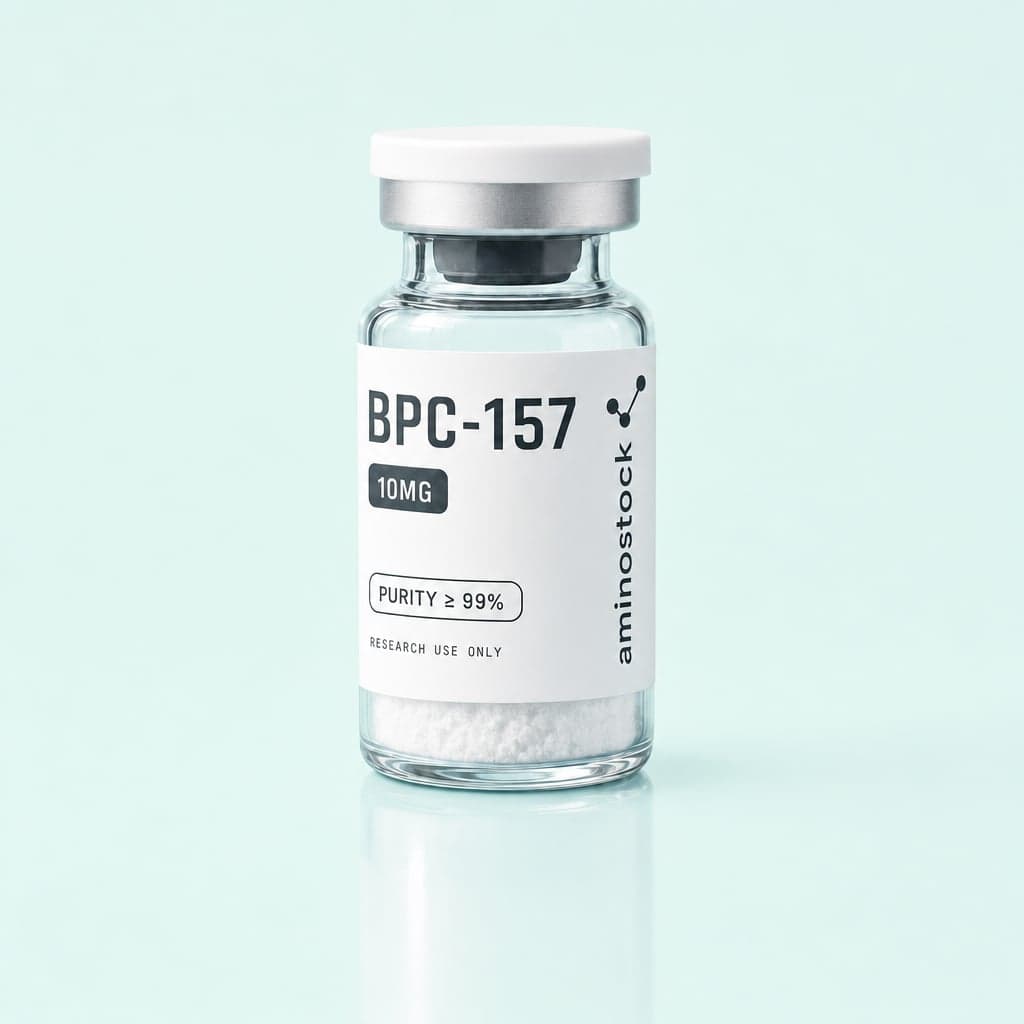
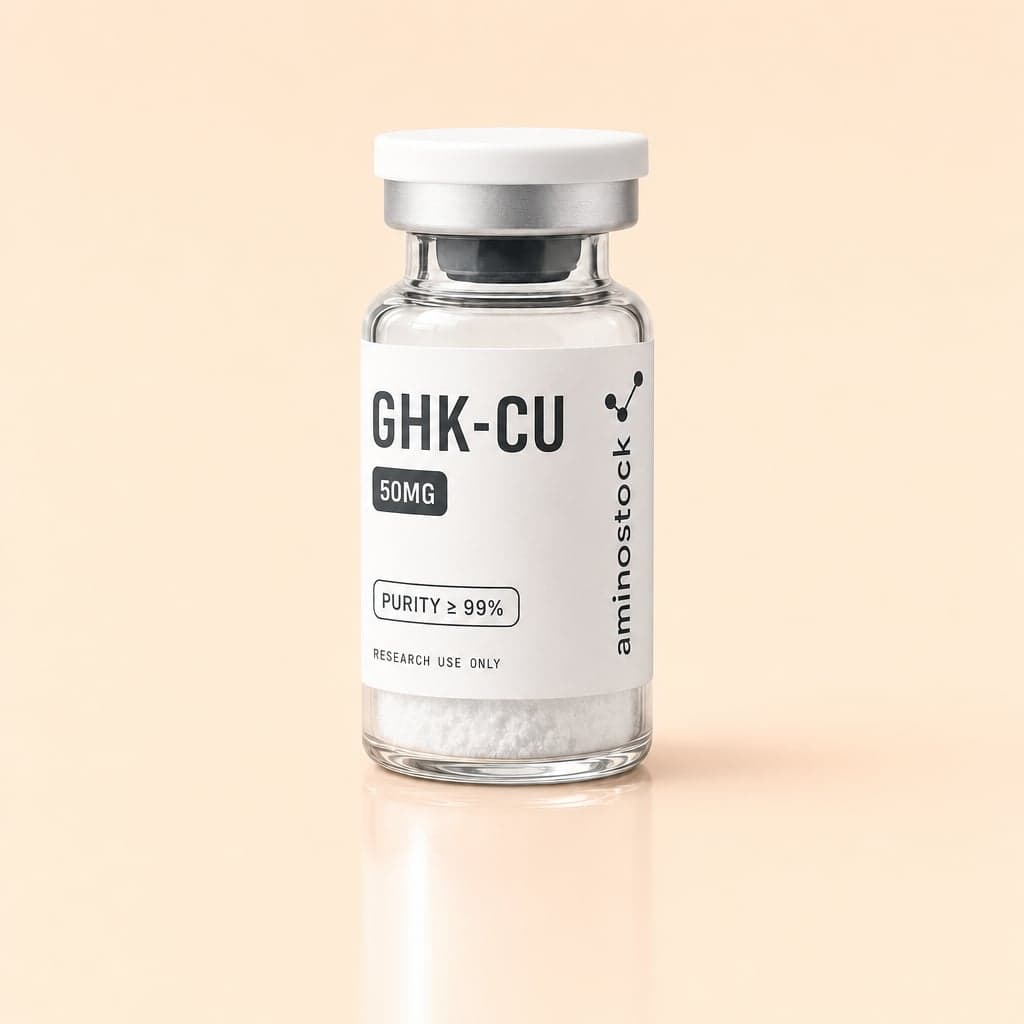
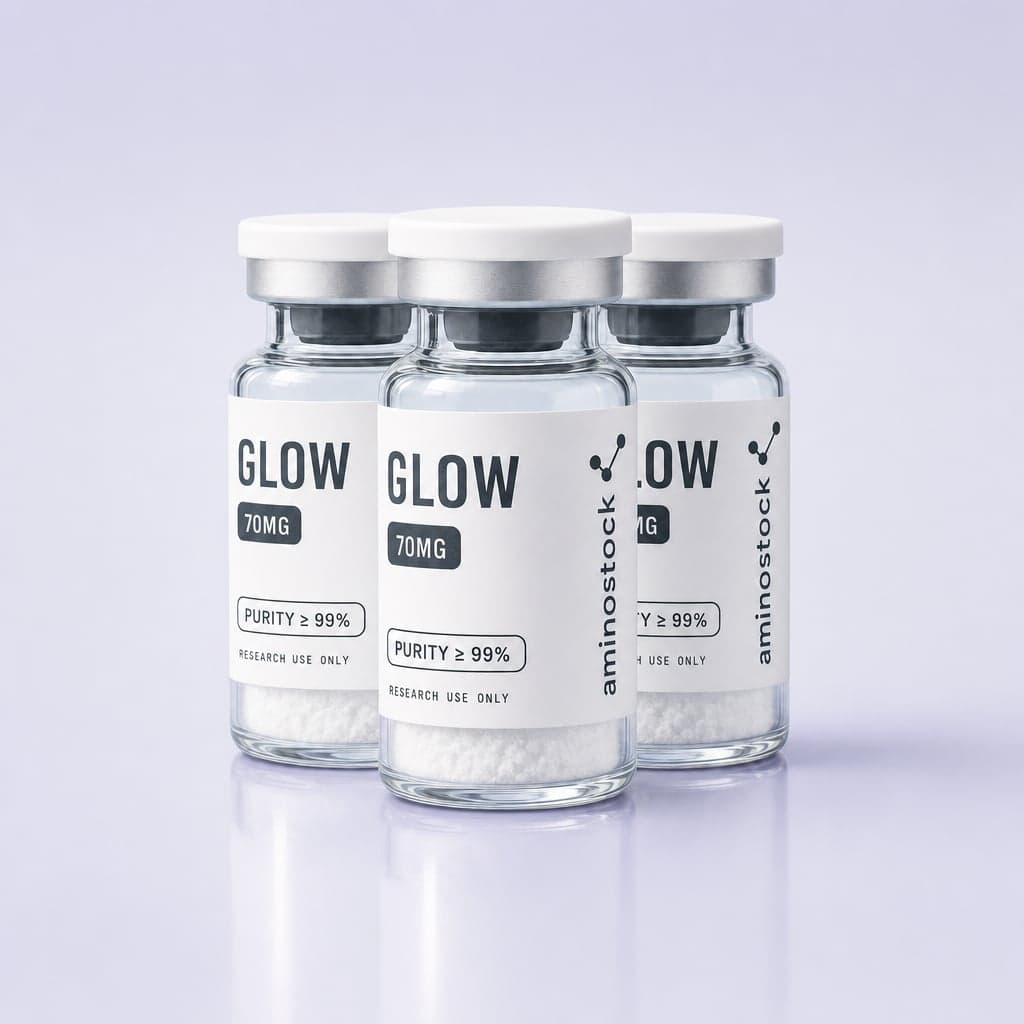
Frequently researched together
Commonly studied alongside LL-37.
Compound information
Technical specifications
Molecular profile
| Type | Cathelicidin-derived peptide |
| CAS number | 154947-66-7 |
| Molecular weight | 4,493 g/mol |
| Amino acids | 37 |
| Formula | C205H340N60O53 |
Storage & stability
- ❄️
Lyophilized (powder)
-20°C · stable 2+ years
- ❄️
Reconstituted
2–8°C · use within 30 days
LL-37 sources & references
Peer-reviewed literature, for research context
- Pharmacological reports : PR
LL-37: Cathelicidin-related antimicrobial peptide with pleiotropic activity
2016·DOI: 10.1016/j.pharep.2016.03.015·PMID: 27117377Fabisiak A, Murawska N, Fichna J
View source - International journal of molecular sciences
Antimicrobial Peptides of the Cathelicidin Family: Focus on LL-37 and Its Modifications
2025·DOI: 10.3390/ijms26168103·PMID: 40869425Voronko OE, Khotina VA, Kashirskikh DA, Lee AA, Gasanov VAO
View source - Peptides
The LL-37 domain: A clue to cathelicidin immunomodulatory response?
2023·DOI: 10.1016/j.peptides.2023.171011·PMID: 37068711Leite ML, Duque HM, Rodrigues GR, da Cunha NB, Franco OL
View source - Biomolecules
LL-37: Structures, Antimicrobial Activity, and Influence on Amyloid-Related Diseases
2024·DOI: 10.3390/biom14030320·PMID: 38540740Bhattacharjya S, Zhang Z, Ramamoorthy A
View source
More in Tissue Repair
Every Tissue Repair research compound in the catalog.
Important research notice
Not for human consumption. This product is sold exclusively for laboratory and in vitro research. It is not intended to diagnose, treat, cure, or prevent any disease.
Any research findings referenced on this page are drawn from published, peer-reviewed literature and are provided for educational context only. They are not product claims and should not be read as medical advice.
By purchasing, you confirm you are a qualified researcher and will handle this material in accordance with all applicable laws and institutional guidelines.