For laboratory research use only — not for human or veterinary use. Not evaluated by the U.S. FDA.
Cellular Peptide
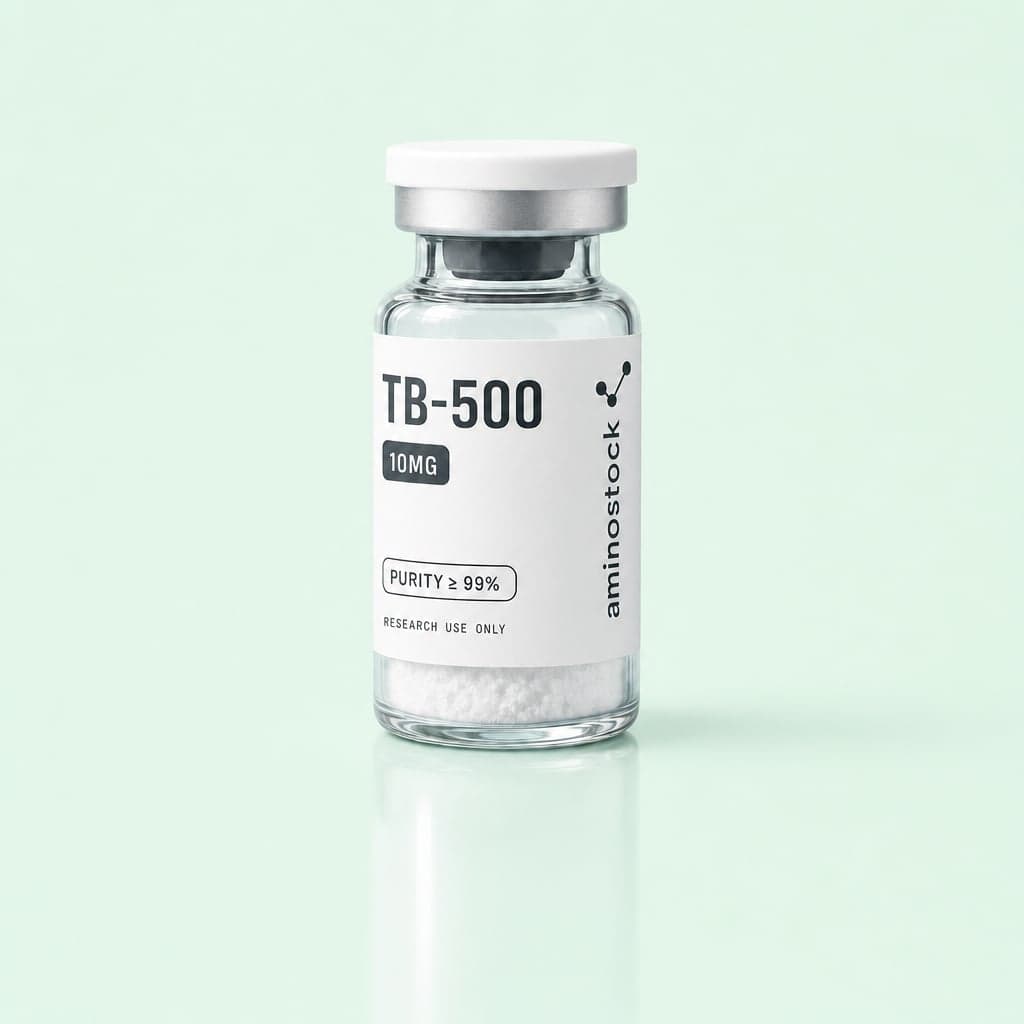
TB-500
A 43-amino-acid fragment of thymosin beta-4 studied in preclinical models for actin regulation and cell migration during tissue repair.
Quantity
$39.99
Bundle & save
Order by 3:00 PM ET for same-day dispatch
Cutoff 3:00 PM ET · same-day dispatch
Estimated arrival in 2 business days
Overnight shipping available
Free shipment protection included
TB-500
1 × 10mg · $39.99
99% purity, QC passed
HPLC + mass-spec verified
Shipment protection
Free on every order
Free shipping over $150
Same-day dispatch before 3PM ET
About TB-500
Structure and research context
TB-500 as catalogued here corresponds to thymosin beta-4 (Tβ4), a 43-residue polypeptide of about 4,963 Da (CAS 77591-33-4). Tβ4 is the most abundant member of the beta-thymosin family in mammalian tissue and is regarded as the main G-actin sequestering peptide, binding actin monomers and holding them out of filaments. A seven-residue actin-binding motif, LKKTETQ (residues 17 to 23), has been mapped within the sequence, and the N-terminal tetrapeptide Ac-SDKP is released from Tβ4 by the enzymes meprin α and prolyl oligopeptidase.
TB-500 in the research literature
Tβ4 has been studied mainly in cell-culture and rodent systems focused on cell migration and vascular signaling. It promoted migration of umbilical vein endothelial cells, and the isolated actin-binding motif reproduced its endothelial migration and aortic-ring sprouting activity at about 50 nM. It also stimulated keratinocyte migration in vitro, and in a rat full-thickness dermal excision model it was associated with increased reepithelialization, collagen deposition and angiogenesis.
In cardiomyocyte cultures Tβ4 formed a complex with PINCH and integrin-linked kinase (ILK), leading to activation of Akt, and after coronary artery ligation in mice it was associated with upregulated ILK and Akt activity.
Summarized from peer-reviewed literature for research context only; not a product claim. PubMed: 14500546 · 10469335 · 30854877 · 23084823 · 15565145
TB-500 Certificate of Analysis
Third-party tested · Independent analytical lab
10mg
99.12%latest
| Tested | Measured | Purity |
|---|---|---|
| Jul 2026Sterile | 11.77mg | 99.12% |
| Jun 2026 | 11.62mg | 98.81% |
| Jun 2026 | 11.64mg | 98.60% |
| May 2026 | 11.80mg | 99.02% |
| Apr 2026 | 11.99mg | 99.77% |
| Apr 2026 | 11.75mg | 99.89% |
| Mar 2026 | 11.87mg | 99.82% |
| Mar 2026 | 11.39mg | 99.81% |
| Feb 2026 | 11.35mg | 99.61% |
| Dec 2025 | 11.87mg | 99.87% |
Latest safety testing
- Sterility
- TAMC/TYMCJul 2026
Endotoxin, sterility, and heavy-metals reports are run on individual lots on a rotating basis, separate from the identity/purity assay above — not on every lot.
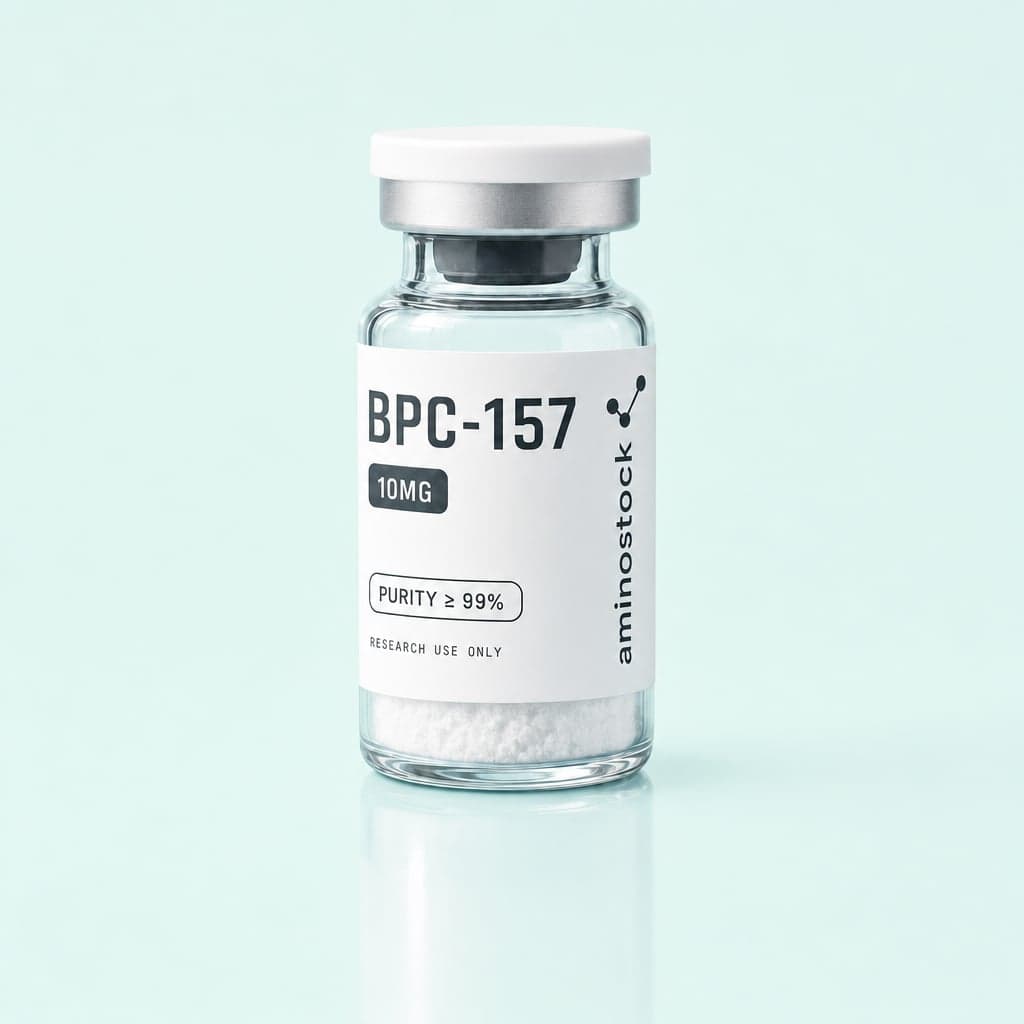
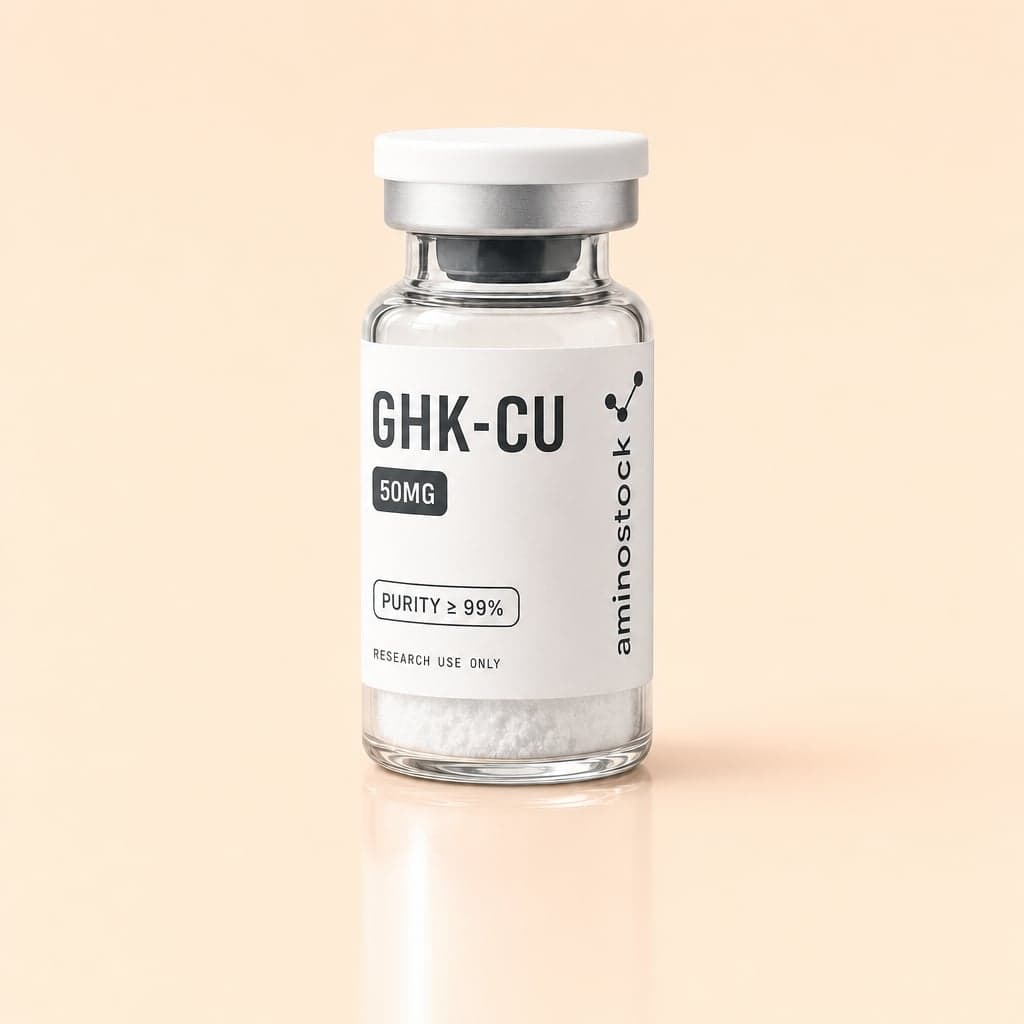
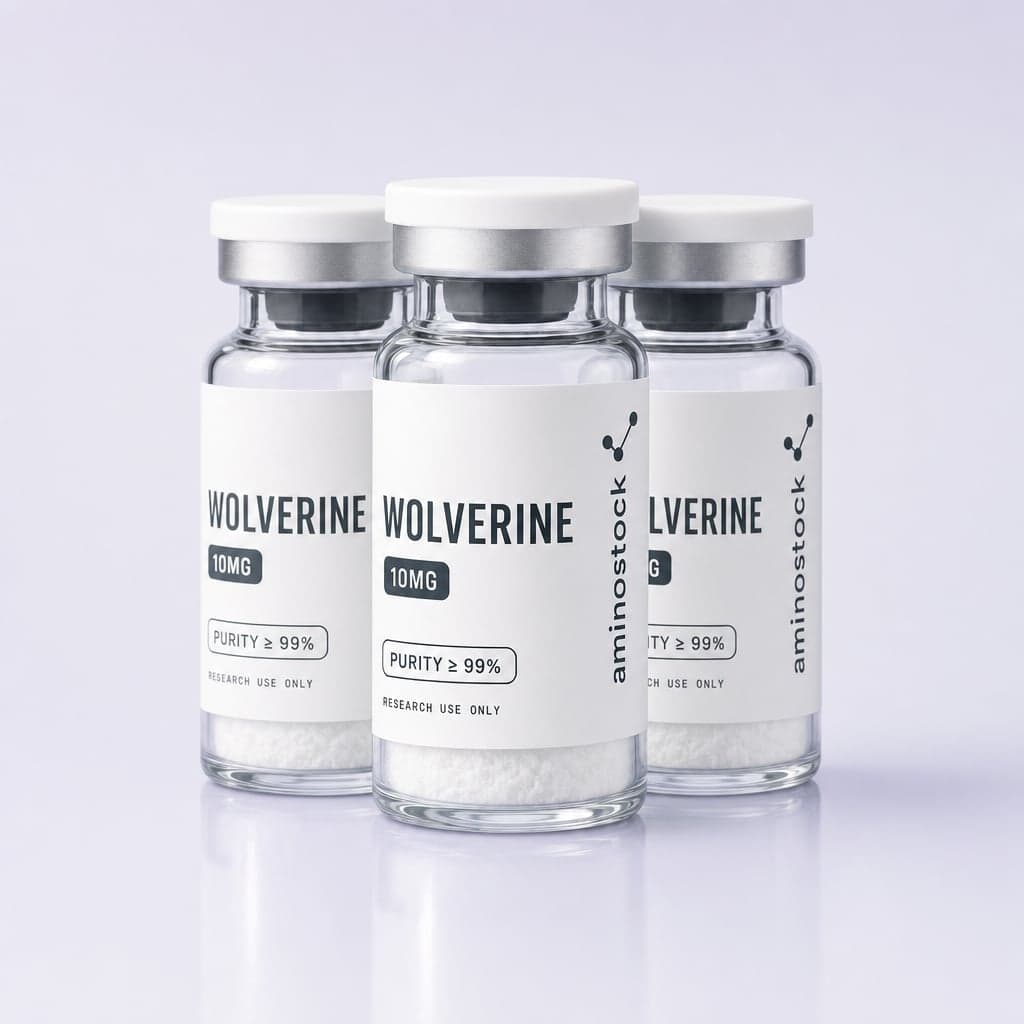
Frequently researched together
Commonly studied alongside TB-500.
Compound information
Technical specifications
Molecular profile
| Type | Endogenous peptide/synthetic analog |
| CAS number | 77591-33-4 |
| Molecular weight | 4,963 Da |
| Amino acids | 43 |
Storage & stability
- ❄️
Lyophilized (powder)
-20°C · stable 2+ years
- ❄️
Reconstituted
2–8°C · use within 30 days
TB-500 sources & references
Peer-reviewed literature, for research context
- Expert Opinion on Biological Therapy
Thymosin β4: a multi-functional regenerative peptide. Basic properties and clinical applications
2012·DOI: 10.1517/14712598.2012.634793·PMID: 22074294Goldstein AL, Hannappel E, Sosne G, Kleinman HK
View source - Annals of the New York Academy of Sciences
A randomized, placebo-controlled, single and multiple dose study of intravenous thymosin beta4 in healthy volunteers
2010·DOI: 10.1111/j.1749-6632.2010.05474.x·PMID: 20536472Ruff D, Crockford D, Girardi G, Zhang Y
View source - Journal of the Neurological Sciences
A Dose Response Study of Thymosin β4 for the Treatment of Acute Stroke
2014·DOI: 10.1016/j.jns.2014.07.006·PMID: 25060418Morris DC, Cui Y, Cheung WL, Lu M, Zhang L, Zhang ZG, Chopp M
View source - Journal of Investigative Dermatology
Thymosin beta4 accelerates wound healing
1999·DOI: 10.1046/j.1523-1747.1999.00708.x·PMID: 10469335Malinda KM, Sidhu GS, Mani H, Banaudha K, Maheshwari RK, Goldstein AL, Kleinman HK
View source - Frontiers in Endocrinology
Progress on the Function and Application of Thymosin β4
2021·DOI: 10.3389/fendo.2021.767785·PMID: 34992578Xing Y, et al.
View source - Nature
Thymosin beta4 activates integrin-linked kinase and promotes cardiac cell migration, survival and cardiac repair
2004·DOI: 10.1038/nature03000·PMID: 15565145Bock-Marquette I, Saxena A, White MD, Dimaio JM, Srivastava D
View source - Clinical Ophthalmology
Thymosin beta 4 ophthalmic solution for dry eye: a randomized, placebo-controlled, Phase II clinical trial
2015·DOI: 10.2147/OPTH.S80954·PMID: 26056426Sosne G, Ousler GW
View source - Neuroscience
Thymosin beta4 improves functional neurological outcome in a rat model of embolic stroke
2010·DOI: 10.1016/j.neuroscience.2010.05.017·PMID: 20627173Morris DC, Chopp M, Zhang L, Lu M, Zhang ZG
View source
More in Tissue Repair
Every Tissue Repair research compound in the catalog.
Important research notice
Not for human consumption. This product is sold exclusively for laboratory and in vitro research. It is not intended to diagnose, treat, cure, or prevent any disease.
Any research findings referenced on this page are drawn from published, peer-reviewed literature and are provided for educational context only. They are not product claims and should not be read as medical advice.
By purchasing, you confirm you are a qualified researcher and will handle this material in accordance with all applicable laws and institutional guidelines.