For laboratory research use only — not for human or veterinary use. Not evaluated by the U.S. FDA.
Peptide
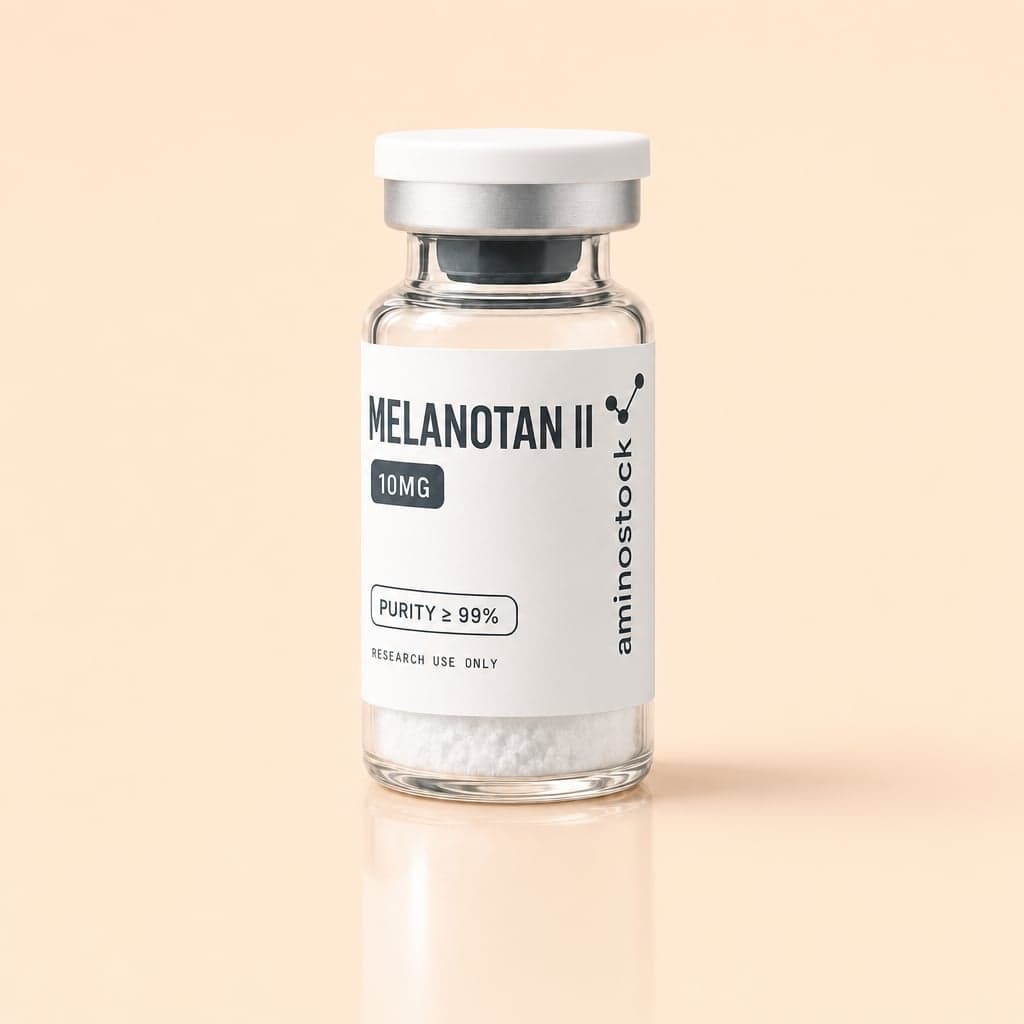
Melanotan II
A cyclic α-MSH analog studied for its activity at melanocortin receptors and associated pigmentation pathways in research settings.
Quantity
$29.99
Bundle & save
Order by 3:00 PM ET for same-day dispatch
Cutoff 3:00 PM ET · same-day dispatch
Estimated arrival in 2 business days
Overnight shipping available
Free shipment protection included
Melanotan II
1 × 10mg · $29.99
99% purity, QC passed
HPLC + mass-spec verified
Shipment protection
Free on every order
Free shipping over $150
Same-day dispatch before 3PM ET
About Melanotan II
Structure and research context
Melanotan II (MT-II) is a synthetic cyclic heptapeptide analog of alpha-MSH, Ac-Nle-c[Asp-His-D-Phe-Arg-Trp-Lys]-NH2 (C50H69N15O9, about 1024.18 g/mol). It is built on the alpha-MSH 4-10 core sequence, carries norleucine at position 4 and D-phenylalanine at position 7, and is cyclized through a lactam bridge between the side chains of Asp5 and Lys10. This cyclization constrains the conformation of the central melanocortin core sequence, a structural feature that receptor-selectivity studies have used to explain how MT-II interacts differently with individual melanocortin receptor subtypes.
Melanotan II in the research literature
Structure-activity work characterizes MT-II as a potent, non-selective agonist across the melanocortin receptors, and it has served as a parent scaffold for analogs with altered selectivity. Replacing its lactam cyclization with xylene-derived thioether linkers yielded compounds with binding affinities from the low nanomolar to the sub-micromolar range and, in one case, functional selectivity for MC1R. At MC1R, mutagenesis showed that acidic receptor residues Glu94, Asp117 and Asp121 contribute to MT-II binding and potency, as with other melanocortin agonists.
At the brain melanocortin receptors, mutating Tyr268 of MC4R reduced affinity for cyclic core-constrained peptides including MT-II, which also showed lower affinity at MC3R, work used to model how conformational presentation of the core sequence governs MC3R versus MC4R selectivity.
Summarized from peer-reviewed literature for research context only; not a product claim. PubMed: 35188390 · 9287296 · 10358030
Melanotan II Certificate of Analysis
Third-party tested · Independent analytical lab
10mg
99.89%latest
| Tested | Measured | Purity |
|---|---|---|
| Jul 2026 | 11.12mg | 99.89% |
| Jun 2026 | 11.08mg | 99.58% |
| May 2026 | 11.22mg | 99.85% |
| May 2026 | 11.30mg | 99.86% |
| Apr 2026 | 11.66mg | 99.89% |
| Feb 2026 | 12.32mg | 99.51% |
| Jan 2026 | 11.27mg | 99.82% |
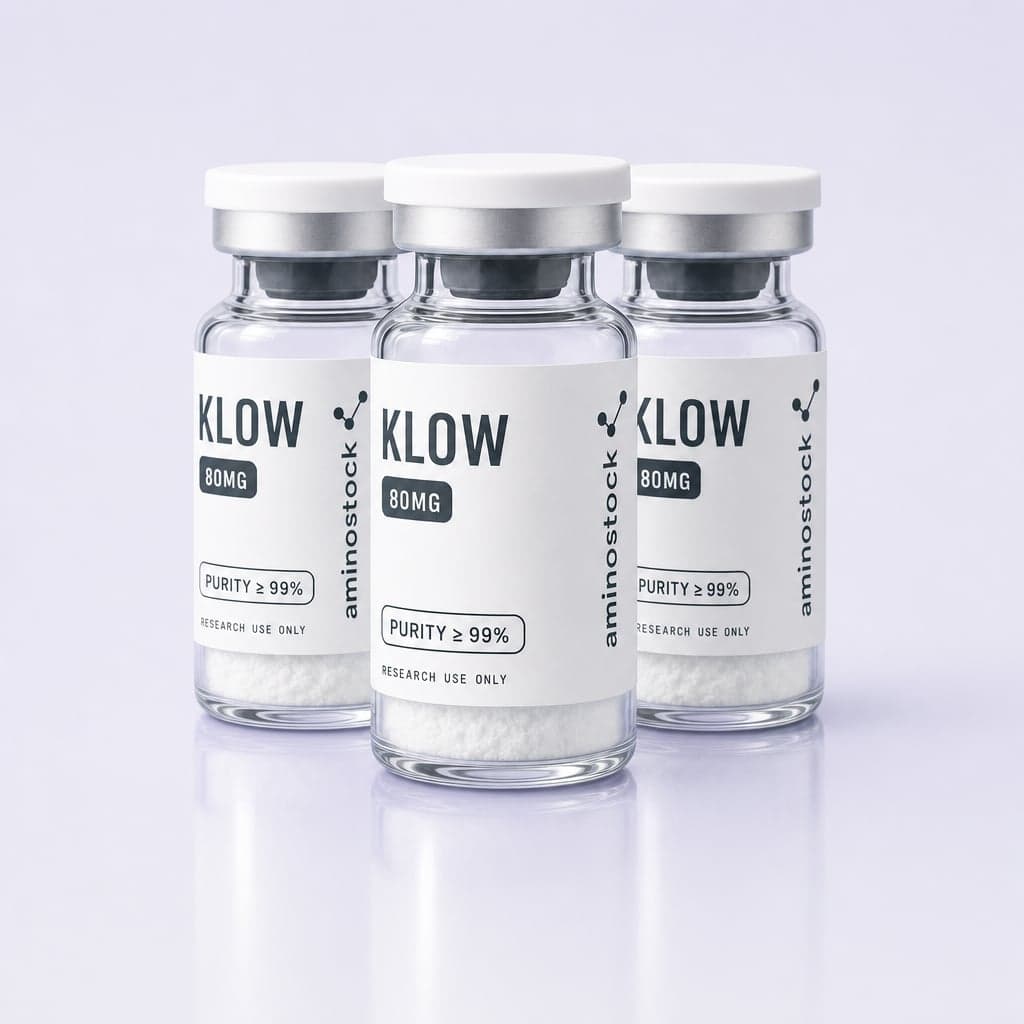
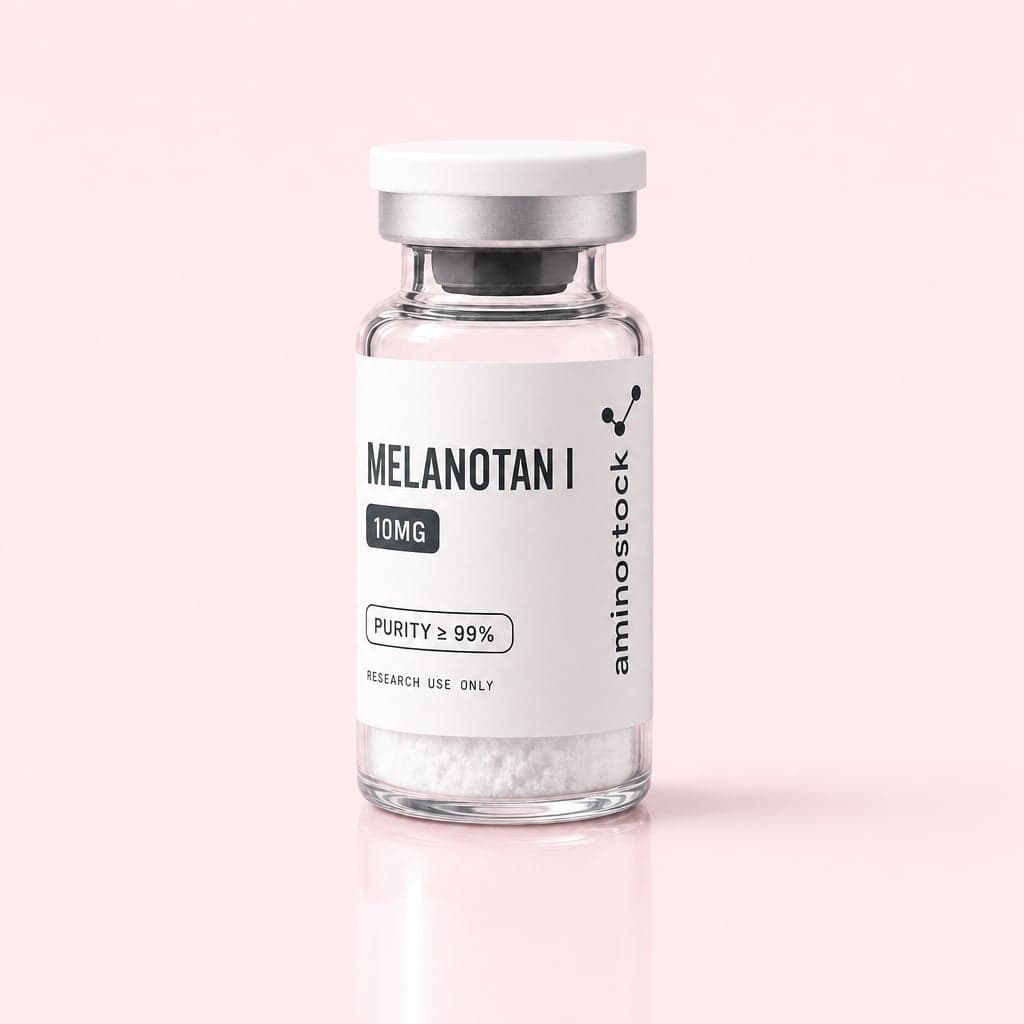
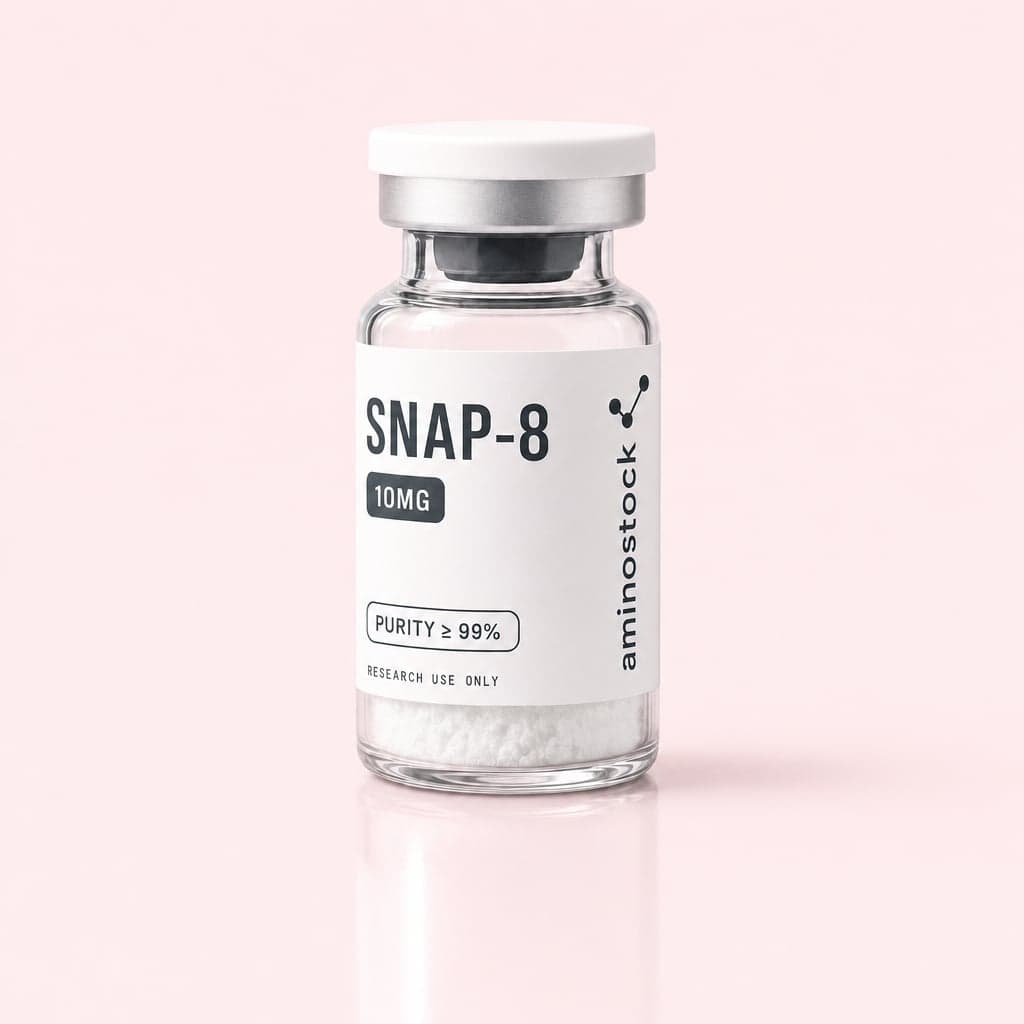
Frequently researched together
Commonly studied alongside Melanotan II.
Compound information
Technical specifications
Molecular profile
| Type | Cyclic heptapeptide |
| CAS number | 121062-08-6 |
| Molecular weight | 1024.18 g/mol |
| Sequence | Ac-Nle-c[Asp-His-D-Phe-Arg-Trp-Lys]-NH2 |
| Formula | C50H69N15O9 |
Storage & stability
- ❄️
Lyophilized (powder)
-20°C · stable 2+ years
- ❄️
Reconstituted
2–8°C · use within 30 days
Melanotan II sources & references
Peer-reviewed literature, for research context
- Urology
Synthetic melanotropic peptide initiates erections in men with psychogenic erectile dysfunction: double-blind, placebo controlled crossover study
1998·PMID: 9679884Wessells H, et al.
View source - Life Sciences
Evaluation of melanotan-II, a superpotent cyclic melanotropic peptide in a pilot phase-I clinical study
1996·PMID: 8637402Dorr RT, et al.
View source - Pharmaceutical Biotechnology
Discovery and development of novel melanogenic drugs. Melanotan-I and -II
1998·PMID: 9760697Hadley ME, Dorr RT
View source - Journal of Sexual Medicine
An effect on the subjective sexual response in premenopausal women with sexual arousal disorder by bremelanotide (PT-141), a melanocortin receptor agonist
2006·PMID: 16839319Diamond LE, et al.
View source
More in Dermal
Every Dermal research compound in the catalog.
Important research notice
Not for human consumption. This product is sold exclusively for laboratory and in vitro research. It is not intended to diagnose, treat, cure, or prevent any disease.
Any research findings referenced on this page are drawn from published, peer-reviewed literature and are provided for educational context only. They are not product claims and should not be read as medical advice.
By purchasing, you confirm you are a qualified researcher and will handle this material in accordance with all applicable laws and institutional guidelines.