For laboratory research use only — not for human or veterinary use. Not evaluated by the U.S. FDA.
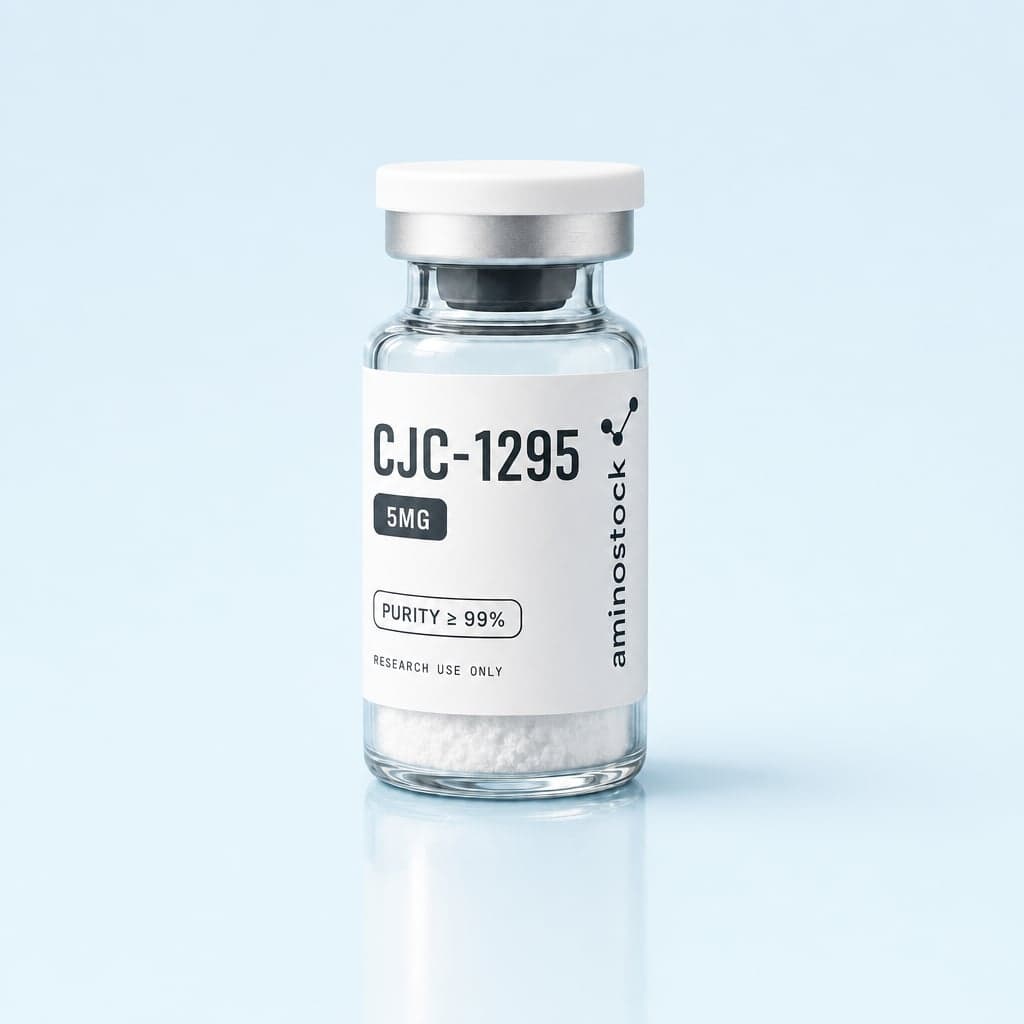
GH Secretagogue Peptide
CJC-1295 (No DAC)
A tetrasubstituted 29-amino-acid GHRH analog without the Drug Affinity Complex moiety, studied in research models for pulsatile growth-hormone-releasing signaling.
Size
Quantity
$35.99
Bundle & save
Order by 3:00 PM ET for same-day dispatch
Cutoff 3:00 PM ET · same-day dispatch
Estimated arrival in 2 business days
Overnight shipping available
Free shipment protection included
CJC-1295 (No DAC)
1 × 5mg · $35.99
99% purity, QC passed
HPLC + mass-spec verified
Shipment protection
Free on every order
Free shipping over $150
Same-day dispatch before 3PM ET
About CJC-1295 (No DAC)
Structure and research context
CJC-1295 without DAC, often written as modified GRF (1-29), is the 29-residue growth hormone-releasing hormone fragment carrying the four amino-acid substitutions of the CJC-1295 backbone but none of the maleimide group that lets the DAC version conjugate covalently to serum albumin. Without that albumin anchor it circulates as a free peptide. The 1-29 fragment is the shortest N-terminal segment of the 44-residue native factor that retains full activity, and it acts at the pituitary GHRH receptor, a G protein-coupled receptor related to the secretin and vasoactive intestinal peptide receptors.
CJC-1295 (No DAC) in the research literature
The substituted backbone comes from work on albumin-binding GRF analogs, which described CJC-1295 as a tetrasubstituted form of GRF(1-29); in that study the albumin conjugate, not the free peptide, was the source of the extended plasma persistence, while the base peptide remained the reference compound in the growth hormone secretion assay on cultured rat anterior pituitary cells.
Substituted GRF(1-29) analogs have been characterised separately. GRF(1-29)-NH2 itself was equipotent with GRF(1-44)-NH2 in a rat pituitary bioassay and retained full receptor-binding affinity, and the single-substitution analog [Ala15]-GRF(1-29)-NH2 was described as superactive in the same assay. The cloned GHRH receptor binds the releasing factor with high affinity and raises intracellular cAMP, which is the signalling step these analogs engage.
Summarized from peer-reviewed literature for research context only; not a product claim. PubMed: 15817669 · 1421807 · 1333056
CJC-1295 (No DAC) Certificate of Analysis
Third-party tested · Independent analytical lab
10mg
99.88%latest
| Tested | Measured | Purity |
|---|---|---|
| Jun 2026 | 10.54mg | 99.88% |
| May 2026 | 11.85mg | 99.82% |
| Mar 2026 | 10.91mg | 99.90% |
| Jan 2026 | 12.85mg | 99.75% |
| Dec 2025 | 12.68mg | 99.19% |
| Nov 2025 | 12.87mg | 99.37% |
Frequently researched together
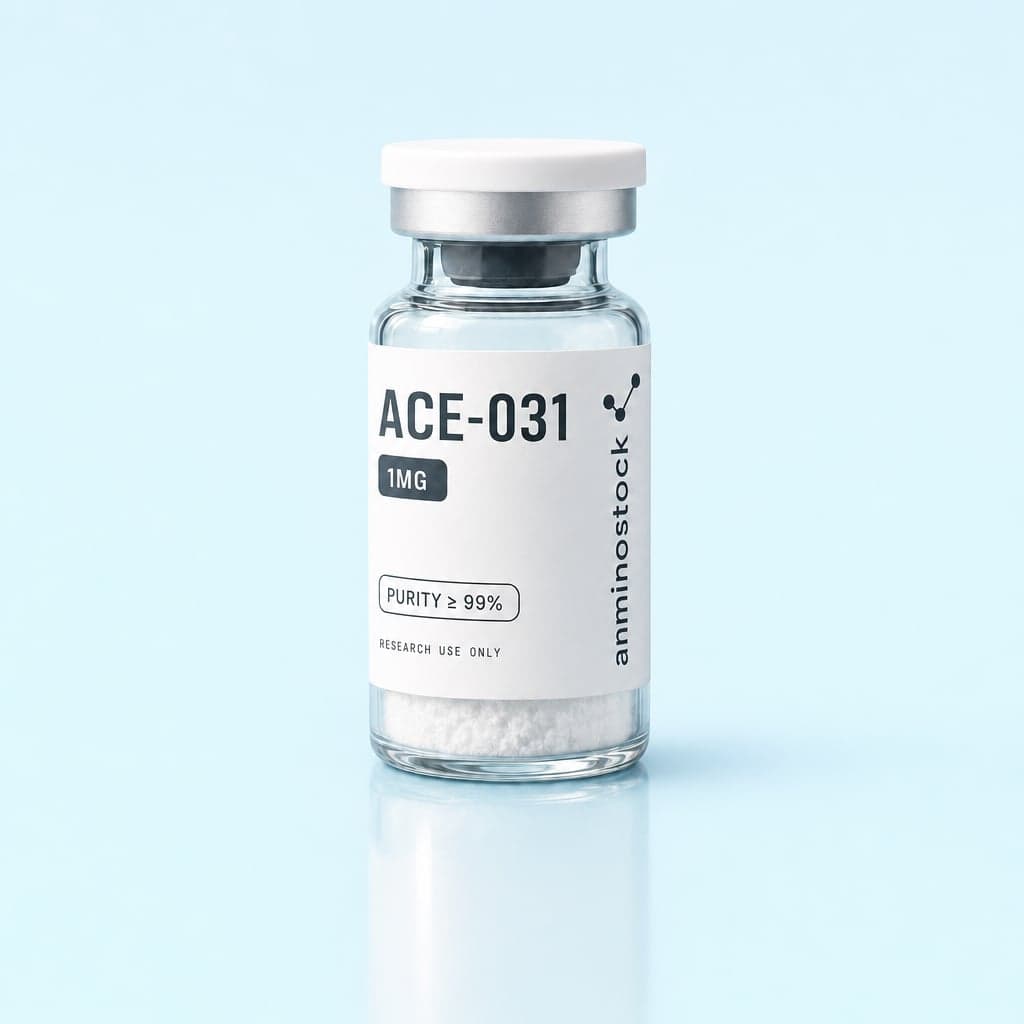
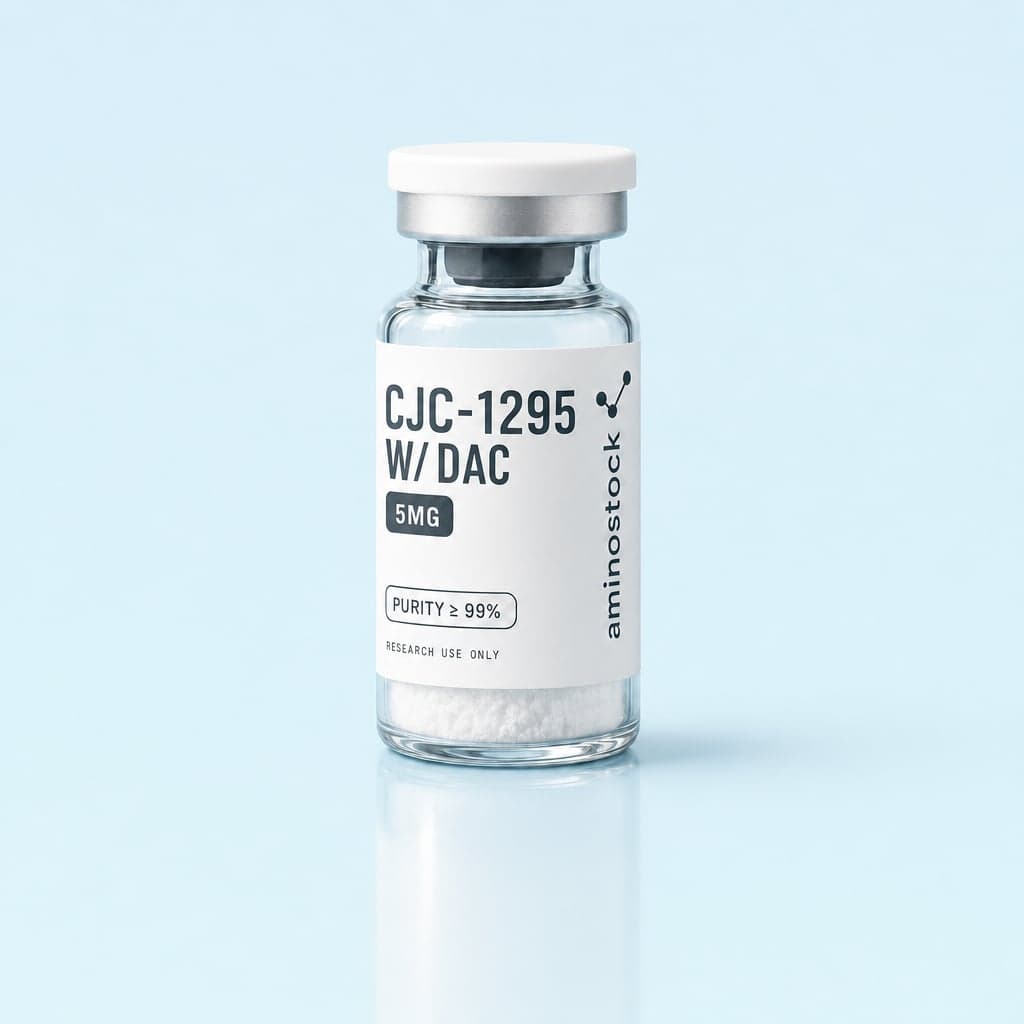
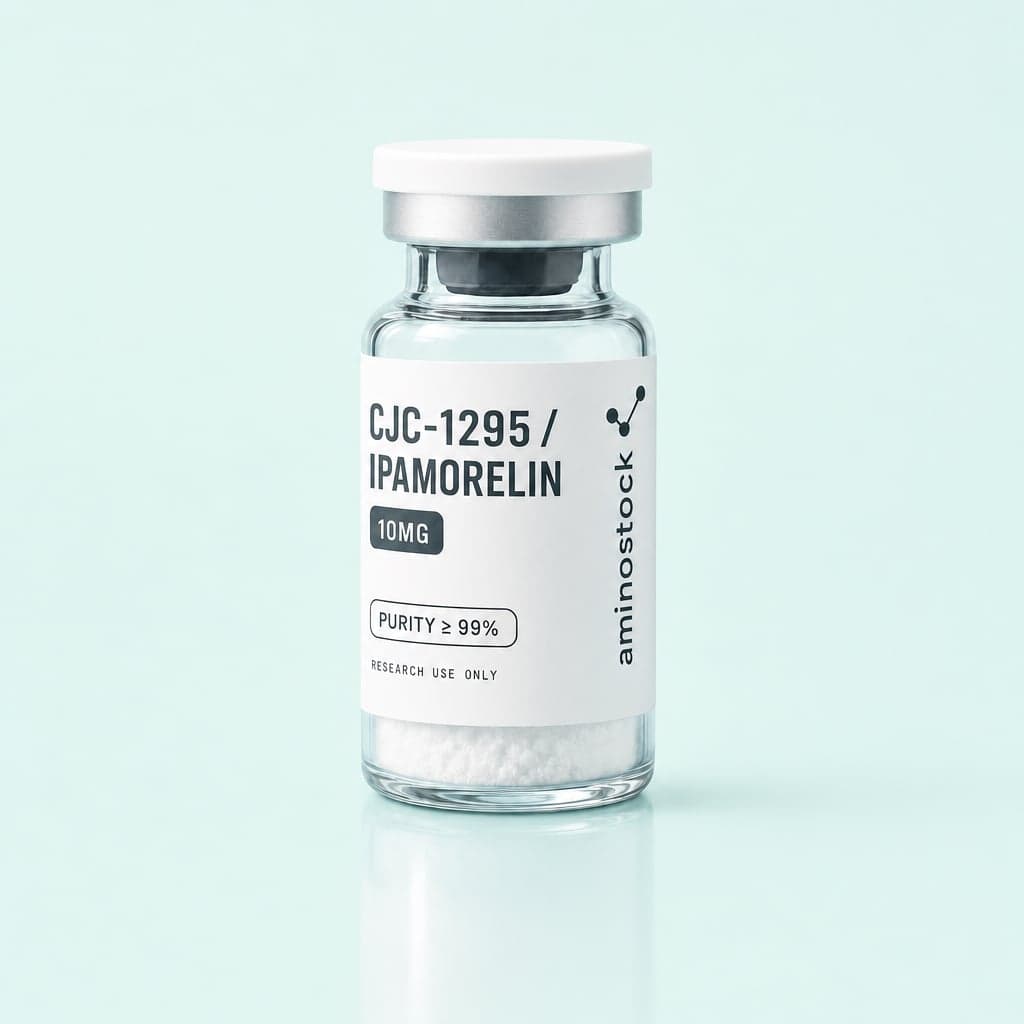
Commonly studied alongside CJC-1295 (No DAC).
Compound information
Technical specifications
Storage & stability
- ❄️
Lyophilized (powder)
-20°C · stable 2+ years
- ❄️
Reconstituted
2–8°C · use within 30 days
CJC-1295 (No DAC) sources & references
Peer-reviewed literature, for research context
- The Journal of clinical endocrinology and metabolism
Prolonged stimulation of growth hormone (GH) and insulin-like growth factor I secretion by CJC-1295, a long-acting analog of GH-releasing hormone, in healthy adults
2006·DOI: 10.1210/jc.2005-1536·PMID: 16352683Teichman SL, Neale A, Lawrence B, Gagnon C, Castaigne JP, Frohman LA
View source - Endocrinology
Human growth hormone-releasing factor (hGRF)1-29-albumin bioconjugates activate the GRF receptor on the anterior pituitary in rats: identification of CJC-1295 as a long-lasting GRF analog
2005·DOI: 10.1210/en.2004-1286·PMID: 15817669Jetté L, Léger R, Thibaudeau K, Benquet C, Robitaille M, Pellerin I
View source - American journal of physiology. Endocrinology and metabolism
Once-daily administration of CJC-1295, a long-acting growth hormone-releasing hormone (GHRH) analog, normalizes growth in the GHRH knockout mouse
2006·DOI: 10.1152/ajpendo.00201.2006·PMID: 16822960Alba M, Fintini D, Sagazio A, Lawrence B, Castaigne JP, Frohman LA
View source
More in Secretagogue
Every Secretagogue research compound in the catalog.
Important research notice
Not for human consumption. This product is sold exclusively for laboratory and in vitro research. It is not intended to diagnose, treat, cure, or prevent any disease.
Any research findings referenced on this page are drawn from published, peer-reviewed literature and are provided for educational context only. They are not product claims and should not be read as medical advice.
By purchasing, you confirm you are a qualified researcher and will handle this material in accordance with all applicable laws and institutional guidelines.