For laboratory research use only — not for human or veterinary use. Not evaluated by the U.S. FDA.
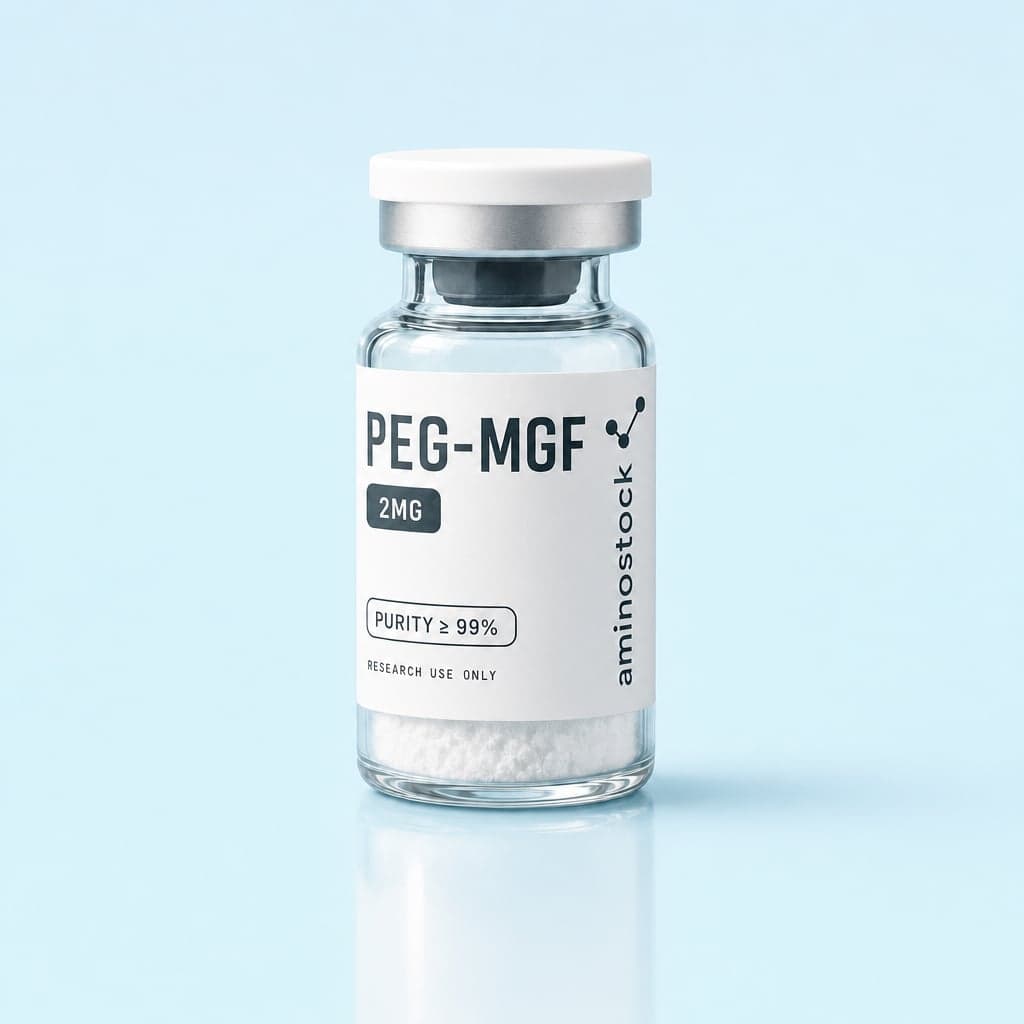
Growth Factor Analog Peptide
PEG-MGF
A PEGylated form of mechano growth factor, an IGF-1 splice variant, studied in research models for myogenic signaling with extended stability relative to the unmodified peptide.
Quantity
$39.99
Bundle & save
Order by 3:00 PM ET for same-day dispatch
Cutoff 3:00 PM ET · same-day dispatch
Estimated arrival in 2 business days
Overnight shipping available
Free shipment protection included
PEG-MGF
1 × 2mg · $39.99
99% purity, QC passed
HPLC + mass-spec verified
Shipment protection
Free on every order
Free shipping over $150
Same-day dispatch before 3PM ET
About PEG-MGF
Structure and research context
PEG-MGF is a polyethylene glycol-conjugated form of the peptide known as mechano growth factor. MGF corresponds to the 24 C-terminal residues of the E domain of IGF-1Eb, a splice variant of the IGF-1 gene generated by alternative splicing across exons 4, 5 and 6; the reading-frame shift yields a distinct C-terminal sequence not present in mature IGF-1. The synthetic peptide is what is studied under the MGF name, and no analogous peptide product of the Igf1 gene has been isolated from cultured cells, conditioned medium, or animal tissues or fluids. PEGylation is a conjugation strategy used with peptides of this kind to extend duration of activity.
PEG-MGF in the research literature
Reported activities of the synthetic E-domain peptide are mixed. In cell culture it has been described as increasing the proliferative life span of myogenic satellite cells and their fusion potential, and as a motogenic factor for myogenic precursor cells, modulating u-PA, u-PAR, MMP-7 and PAI-1 by a route that appears not to involve the IGF-1 receptor. Transgenic mice overexpressing MGF showed more BrdU-positive proliferating cells in the dentate gyrus and subventricular zone, and MGF increased the size and number of neurospheres from subventricular-zone neural stem cells in vitro.
Two laboratories, however, reported that the peptide at concentrations up to 500 ng/ml produced no measurable change in proliferation or differentiation of C2C12 myoblasts or primary skeletal muscle stem cells, and no activation of p-ERK in cardiac myocytes, while mature IGF-1 gave a clear response in the same assays. On PEGylation itself, C-terminally PEGylated analogs of a different releasing peptide retained potency in vitro and showed longer duration of activity in pig and mouse models, illustrating the general effect of the polymer.
Summarized from peer-reviewed literature for research context only; not a product claim. PubMed: 20130113 · 21354439 · 17156777 · 28683812 · 24253050
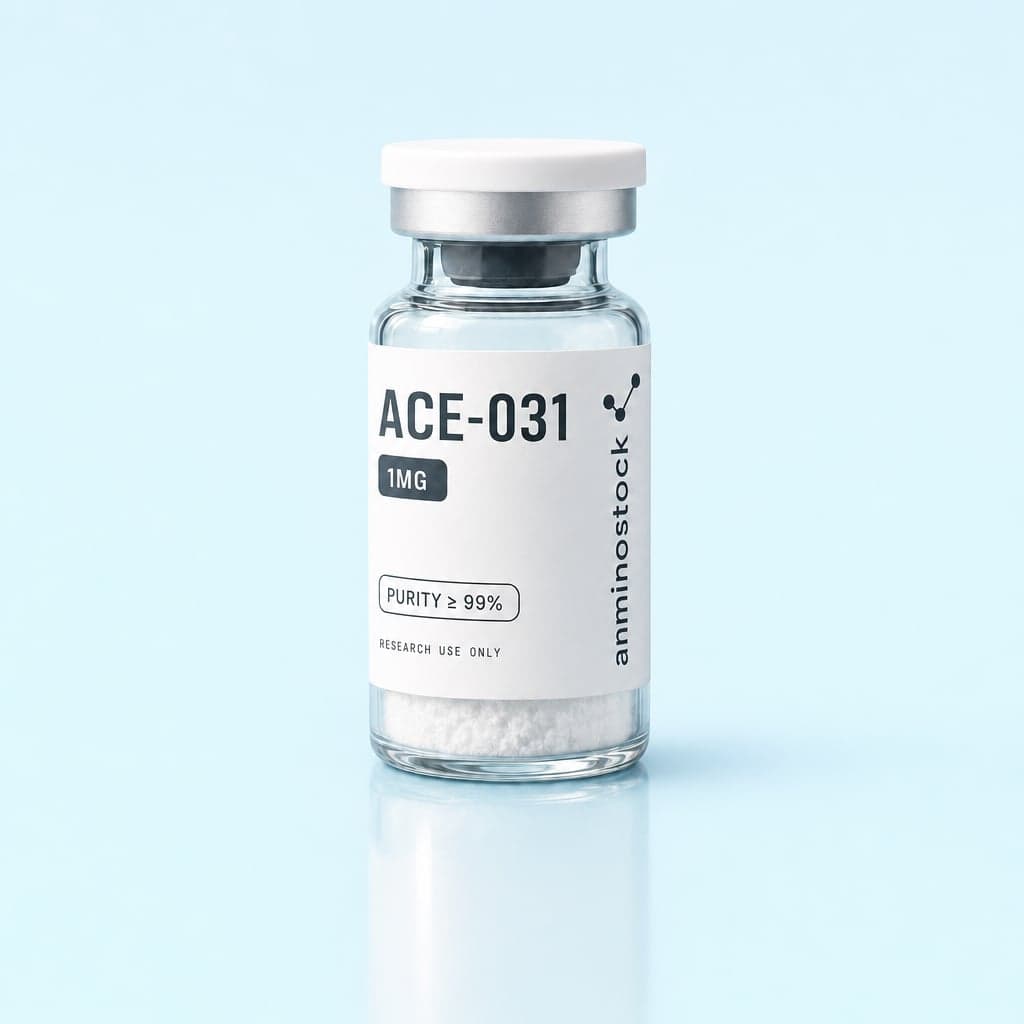
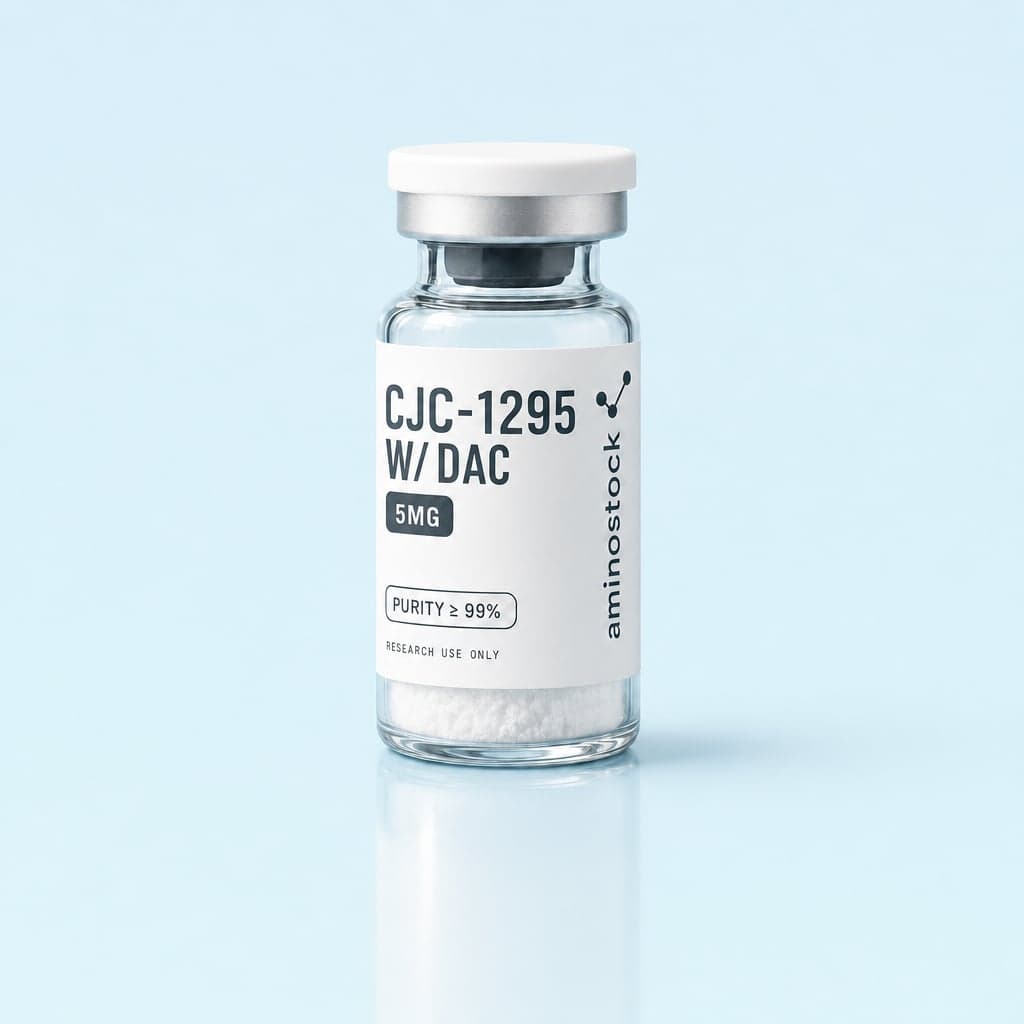
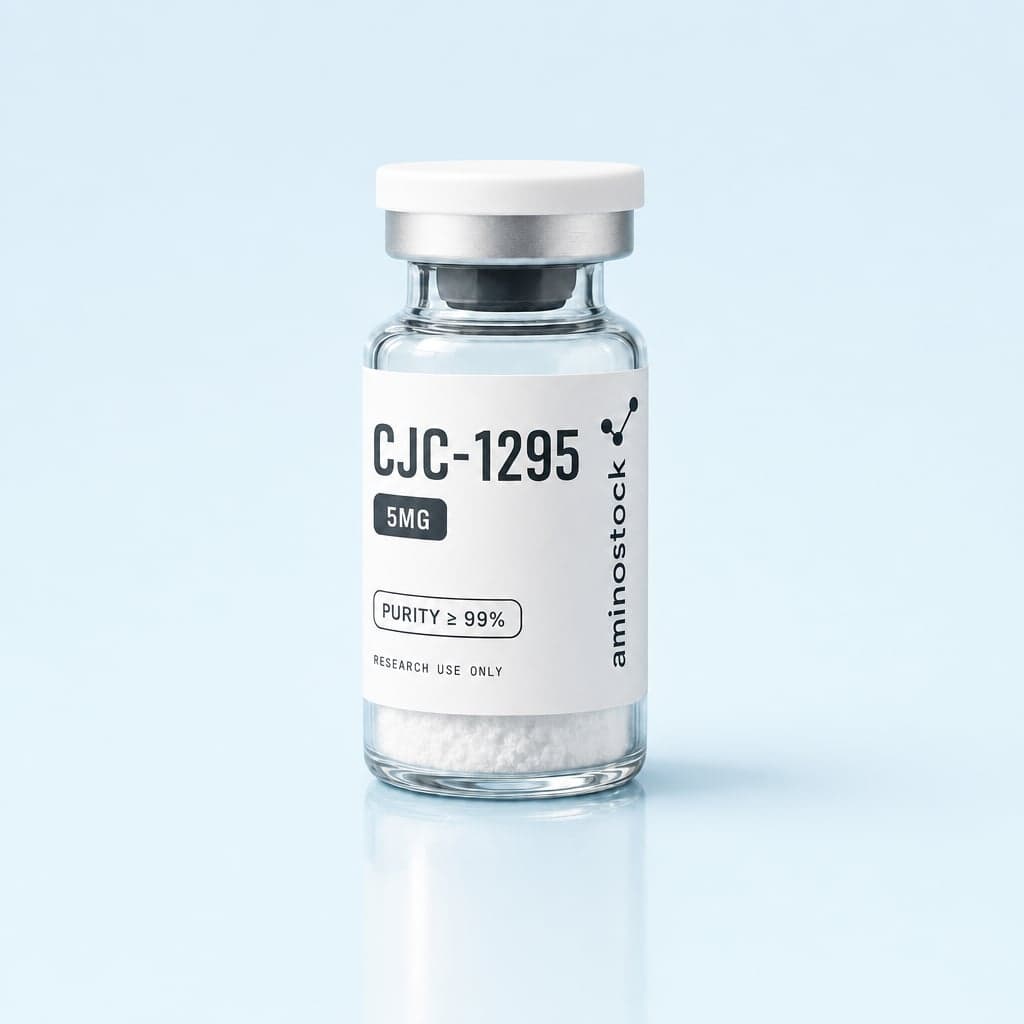
Frequently researched together
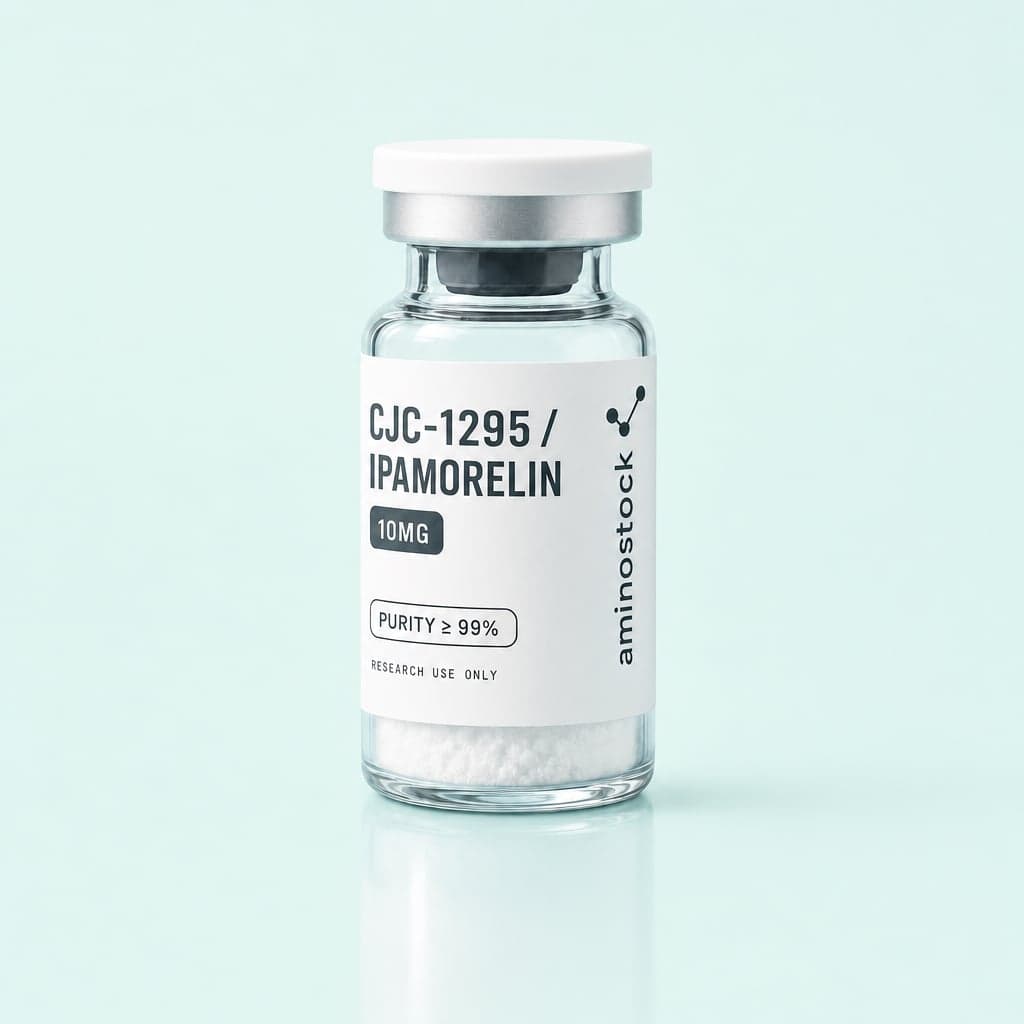
Commonly studied alongside PEG-MGF.
Compound information
Technical specifications
Storage & stability
- ❄️
Lyophilized (powder)
-20°C · stable 2+ years
- ❄️
Reconstituted
2–8°C · use within 30 days
PEG-MGF sources & references
Peer-reviewed literature, for research context
- Endocrinology
Minireview: Mechano-growth factor: a putative product of IGF-I gene expression involved in tissue repair and regeneration
2010·DOI: 10.1210/en.2009-1217·PMID: 20130113Matheny RW Jr, Nindl BC, Adamo ML
View source - Mechanisms of ageing and development
Mechano Growth Factor E peptide (MGF-E), derived from an isoform of IGF-1, activates human muscle progenitor cells and induces an increase in their fusion potential at different ages
2011·DOI: 10.1016/j.mad.2011.02.007·PMID: 21354439Kandalla PK, Goldspink G, Butler-Browne G, Mouly V
View source - Frontiers in physiology
Overexpression of Mechano-Growth Factor Modulates Inflammatory Cytokine Expression and Macrophage Resolution in Skeletal Muscle Injury
2018·DOI: 10.3389/fphys.2018.00999·PMID: 30140235Sun KT, Cheung KK, Au SWN, Yeung SS, Yeung EW
View source - Molecular brain
Mechano growth factor, a splice variant of IGF-1, promotes neurogenesis in the aging mouse brain
2017·DOI: 10.1186/s13041-017-0304-0·PMID: 28683812Tang JJ, Podratz JL, Lange M, Scrable HJ, Jang MH, Windebank AJ
View source
More in Secretagogue
Every Secretagogue research compound in the catalog.
Important research notice
Not for human consumption. This product is sold exclusively for laboratory and in vitro research. It is not intended to diagnose, treat, cure, or prevent any disease.
Any research findings referenced on this page are drawn from published, peer-reviewed literature and are provided for educational context only. They are not product claims and should not be read as medical advice.
By purchasing, you confirm you are a qualified researcher and will handle this material in accordance with all applicable laws and institutional guidelines.