For laboratory research use only — not for human or veterinary use. Not evaluated by the U.S. FDA.
GH Secretagogue Peptide
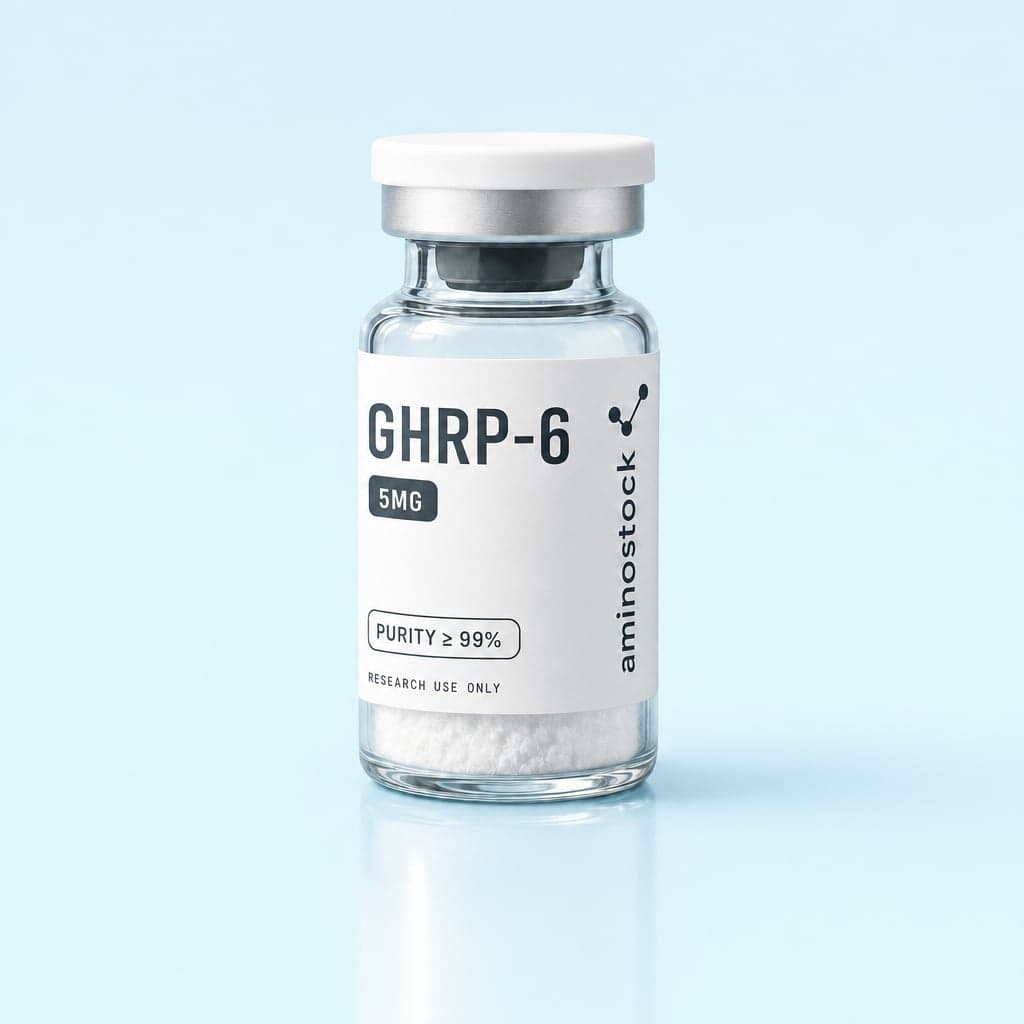
GHRP-6
A synthetic hexapeptide ghrelin-receptor agonist and one of the earliest characterized growth-hormone secretagogues, studied in research models for GH release and appetite signaling.
Size
Quantity
$19.99
Bundle & save
Order by 3:00 PM ET for same-day dispatch
Cutoff 3:00 PM ET · same-day dispatch
Estimated arrival in 2 business days
Overnight shipping available
Free shipment protection included
GHRP-6
1 × 5mg · $19.99
99% purity, QC passed
HPLC + mass-spec verified
Shipment protection
Free on every order
Free shipping over $150
Same-day dispatch before 3PM ET
About GHRP-6
Structure and research context
GHRP-6 is a synthetic hexapeptide, His-D-Trp-Ala-Trp-D-Phe-Lys-NH2, of molecular weight near 873 g/mol and CAS 87616-84-0. First described in 1984, it was among the earliest small peptides shown to act on the pituitary in a way that did not resemble any then-known releasing factor. Its target was later identified as the G protein-coupled growth hormone secretagogue receptor of pituitary and hypothalamus, whose endogenous ligand, ghrelin, is an octanoylated 28-residue peptide isolated from stomach.
GHRP-6 in the research literature
Early characterisation reported concentration-related growth hormone release in pituitary incubates and activity across rats, monkeys, lambs and calves, without concomitant release of LH, FSH, TSH or prolactin. In rat primary pituitary cell monolayer culture, GHRP-6 and GRF-44 showed additive responses and differing culture requirements and cross-desensitisation patterns, which the authors interpreted as action through distinct somatotroph receptors. Specific, saturable and reversible binding sites were subsequently demonstrated on porcine anterior pituitary and hypothalamic membranes, with binding inhibited by D-Lys3-GHRP.
Beyond the pituitary, GHRP-6 has been examined in non-endocrine model systems: in rat hypothalamus and cerebellum it reduced monosodium glutamate-associated activation of caspases 9 and 7 and fragmentation of poly(ADP-ribose) polymerase, and in cultured rat intestinal epithelial IEC-6 cells it increased the rate of cell migration roughly threefold without altering thymidine incorporation.
Summarized from peer-reviewed literature for research context only; not a product claim. PubMed: 6714155 · 3918849 · 1552831 · 17076656 · 16417467
GHRP-6 Certificate of Analysis
Third-party tested · Independent analytical lab
10mg
99.61%latest
| Tested | Measured | Purity |
|---|---|---|
| Apr 2026 | 10.86mg | 99.61% |
| Apr 2026 | 10.49mg | 99.52% |
| Nov 2025 | 10.07mg | 99.63% |
Frequently researched together
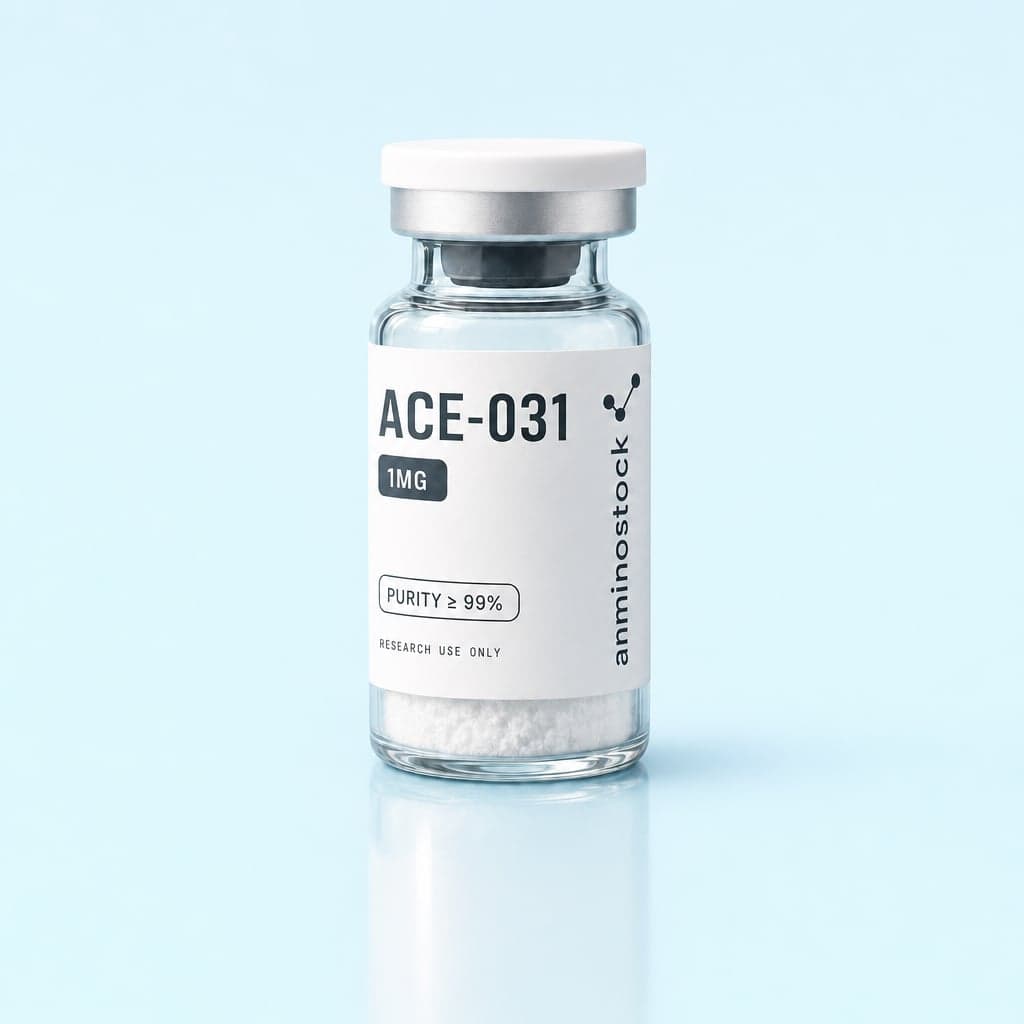
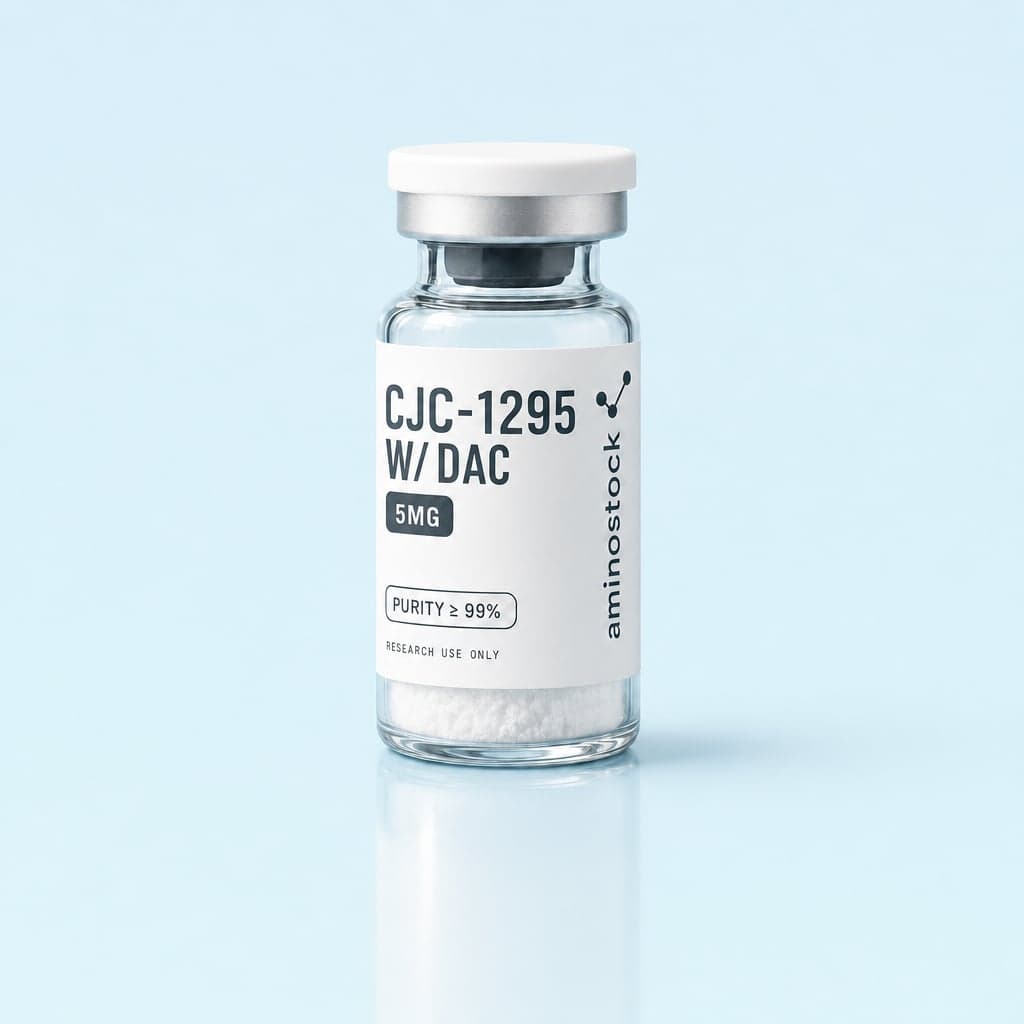
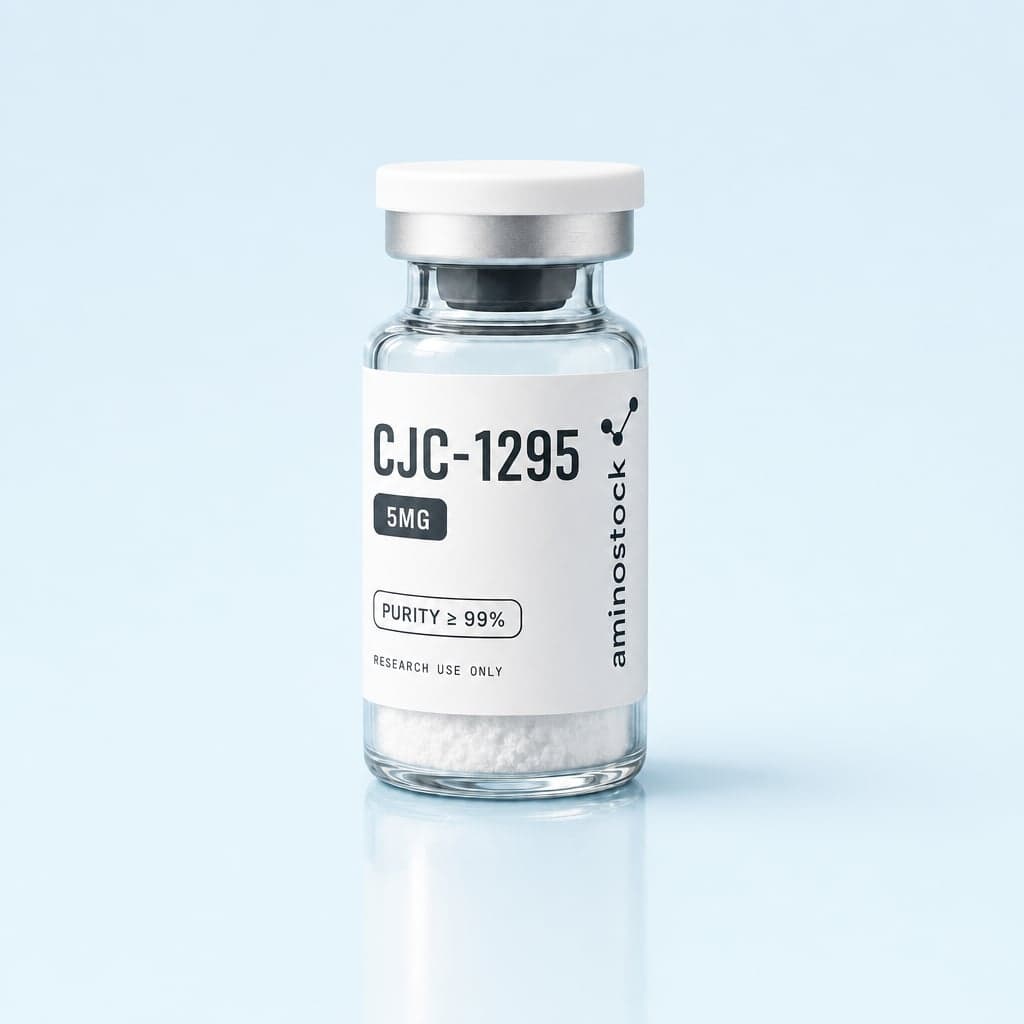
Commonly studied alongside GHRP-6.
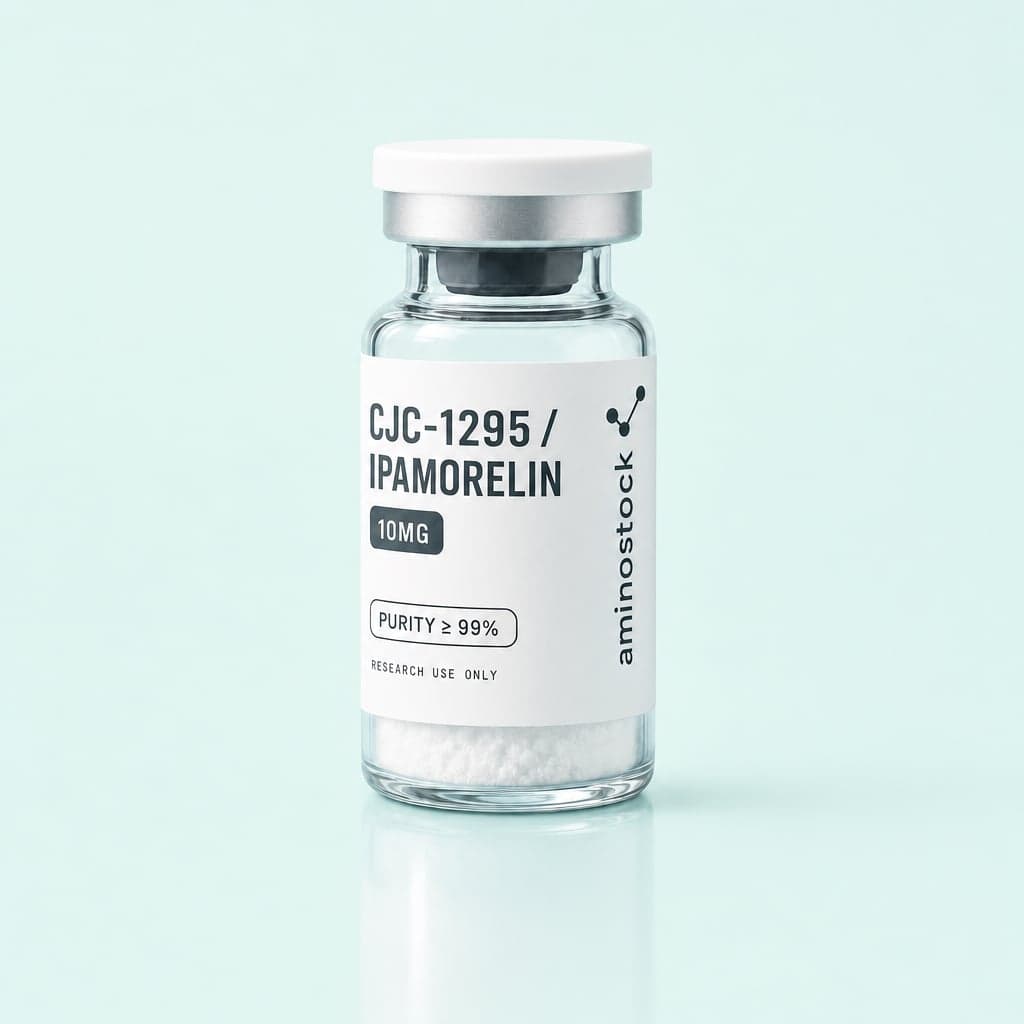
Compound information
Technical specifications
Molecular profile
| Type | Synthetic growth-hormone secretagogue hexapeptide |
| CAS number | 87616-84-0 |
| Molecular weight | 873.0 g/mol |
| Amino acids | 6 |
| Sequence | His-D-Trp-Ala-Trp-D-Phe-Lys-NH2 |
| Formula | C46H56N12O6 |
Storage & stability
- ❄️
Lyophilized (powder)
-20°C · stable 2+ years
- ❄️
Reconstituted
2–8°C · use within 30 days
GHRP-6 sources & references
Peer-reviewed literature, for research context
- Journal of neurochemistry
Growth hormone releasing peptide-6 acts as a survival factor in glutamate-induced excitotoxicity
2006·DOI: 10.1111/j.1471-4159.2006.04122.x·PMID: 17076656Delgado-Rubín de Célix A, Chowen JA, Argente J, Frago LM
View source - Clinical science (London, England : 1979)
Use of growth-hormone-releasing peptide-6 (GHRP-6) for the prevention of multiple organ failure
2006·DOI: 10.1042/CS20050374·PMID: 16417467Cibrián D, Ajamieh H, Berlanga J, León OS, Alba JS, Kim MJ
View source - Journal of neuroendocrinology
Effects of growth hormone-releasing peptide-6 on the nocturnal secretion of GH, ACTH and cortisol and on the sleep EEG in man: role of routes of administration
1999·DOI: 10.1046/j.1365-2826.1999.00364.x·PMID: 10336729Frieboes RM, Murck H, Antonijevic IA, Steiger A
View source - Frontiers in pharmacology
Growth hormone releasing peptide-6 (GHRP-6) prevents doxorubicin-induced myocardial and extra-myocardial damages by activating prosurvival mechanisms
2024·DOI: 10.3389/fphar.2024.1402138·PMID: 38873418Berlanga-Acosta J, Cibrian D, Valiente-Mustelier J, Suárez-Alba J, García-Ojalvo A, Falcón-Cama V
View source
More in Secretagogue
Every Secretagogue research compound in the catalog.
Important research notice
Not for human consumption. This product is sold exclusively for laboratory and in vitro research. It is not intended to diagnose, treat, cure, or prevent any disease.
Any research findings referenced on this page are drawn from published, peer-reviewed literature and are provided for educational context only. They are not product claims and should not be read as medical advice.
By purchasing, you confirm you are a qualified researcher and will handle this material in accordance with all applicable laws and institutional guidelines.