For laboratory research use only — not for human or veterinary use. Not evaluated by the U.S. FDA.
Cellular Peptide
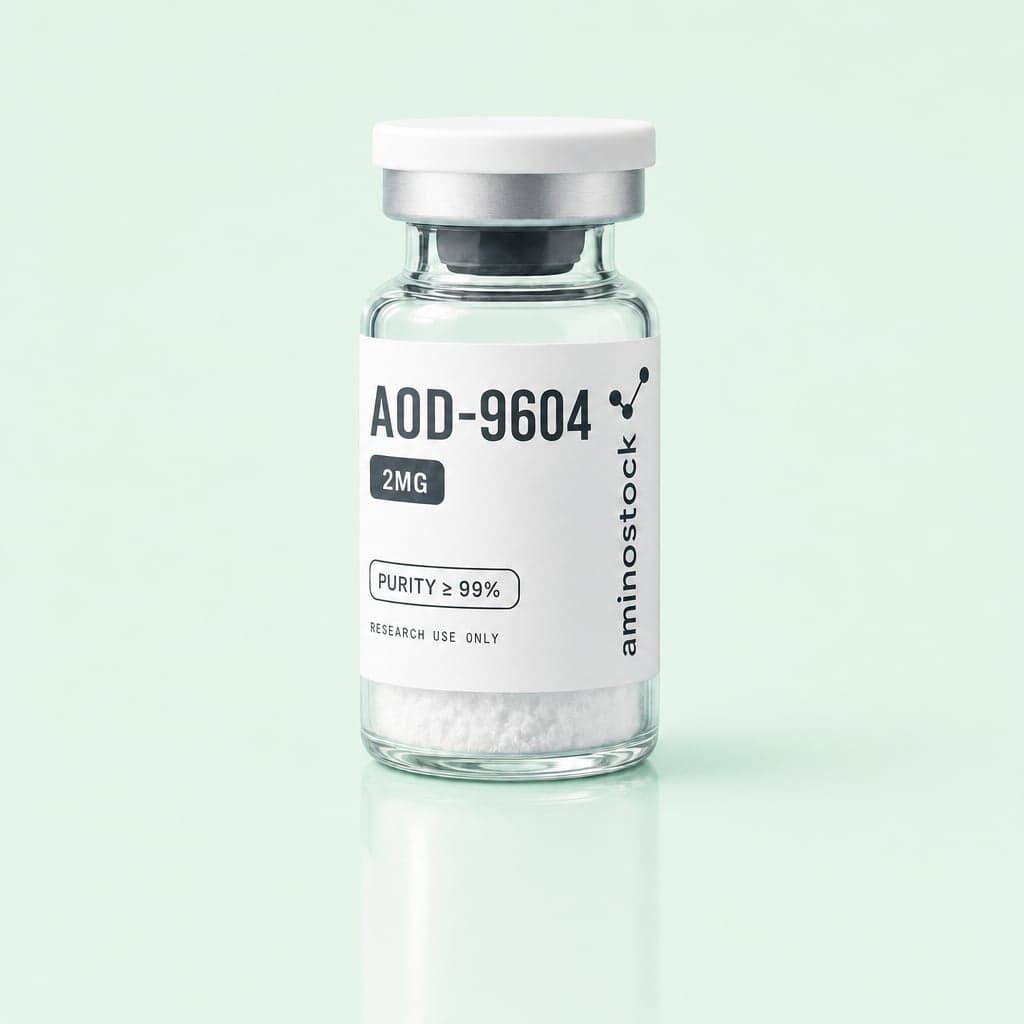
AOD-9604
A synthetic analog of the C-terminal lipolytic domain of growth hormone (residues 177–191 with an added N-terminal tyrosine), examined in animal studies of lipolytic signaling.
Size
Quantity
$29.99
Bundle & save
Order by 3:00 PM ET for same-day dispatch
Cutoff 3:00 PM ET · same-day dispatch
Estimated arrival in 2 business days
Overnight shipping available
Free shipment protection included
AOD-9604
1 × 2mg · $29.99
99% purity, QC passed
HPLC + mass-spec verified
Shipment protection
Free on every order
Free shipping over $150
Same-day dispatch before 3PM ET
About AOD-9604
Structure and research context
AOD-9604 is a synthetic peptide analogue of the lipolytic domain located at the C-terminus of growth hormone. Its sequence corresponds to residues 177 to 191 of the native hormone extended by an N-terminal tyrosine, giving the molecular formula C78H123N23O23S2 and a molar mass of about 1,815 g/mol. The fragment was developed to study the lipid-metabolism activity attributed to this region separately from the rest of the parent protein, and it has been examined side by side with the intact hormone in rodent research.
AOD-9604 in the research literature
In Zucker rats, chronic exposure to AOD-9604 was reported to increase lipolytic activity in adipose tissue, and insulin-sensitivity measurements in the same work did not show the change observed with chronic exposure to the intact hormone. Mouse studies found that both the fragment and intact growth hormone raised beta3-adrenergic receptor RNA expression in adipose tissue. Experiments in beta3-adrenergic receptor knockout mice indicated that the lipolytic actions are not mediated directly through that receptor, although acute measurements in the knockout animals still showed increased energy expenditure and lipid oxidation.
Separately, a rabbit model of collagenase-induced cartilage degeneration examined AOD-9604 alone and combined with hyaluronic acid, reporting lower morphological and histopathological degeneration scores than in control joints.
Summarized from peer-reviewed literature for research context only; not a product claim. PubMed: 11146367 · 11713213 · 26275694
AOD-9604 Certificate of Analysis
Third-party tested · Independent analytical lab
5mg
99.78%latest
| Tested | Measured | Purity |
|---|---|---|
| Jul 2026 | 5.20mg | 99.78% |
| Jun 2026 | 5.21mg | 99.71% |
| Apr 2026 | 5.65mg | 99.72% |
| Feb 2026 | 5.84mg | 99.08% |
| Nov 2025 | 5.13mg | 99.33% |
| Oct 2025 | 4.92mg | 99.33% |
Frequently researched together
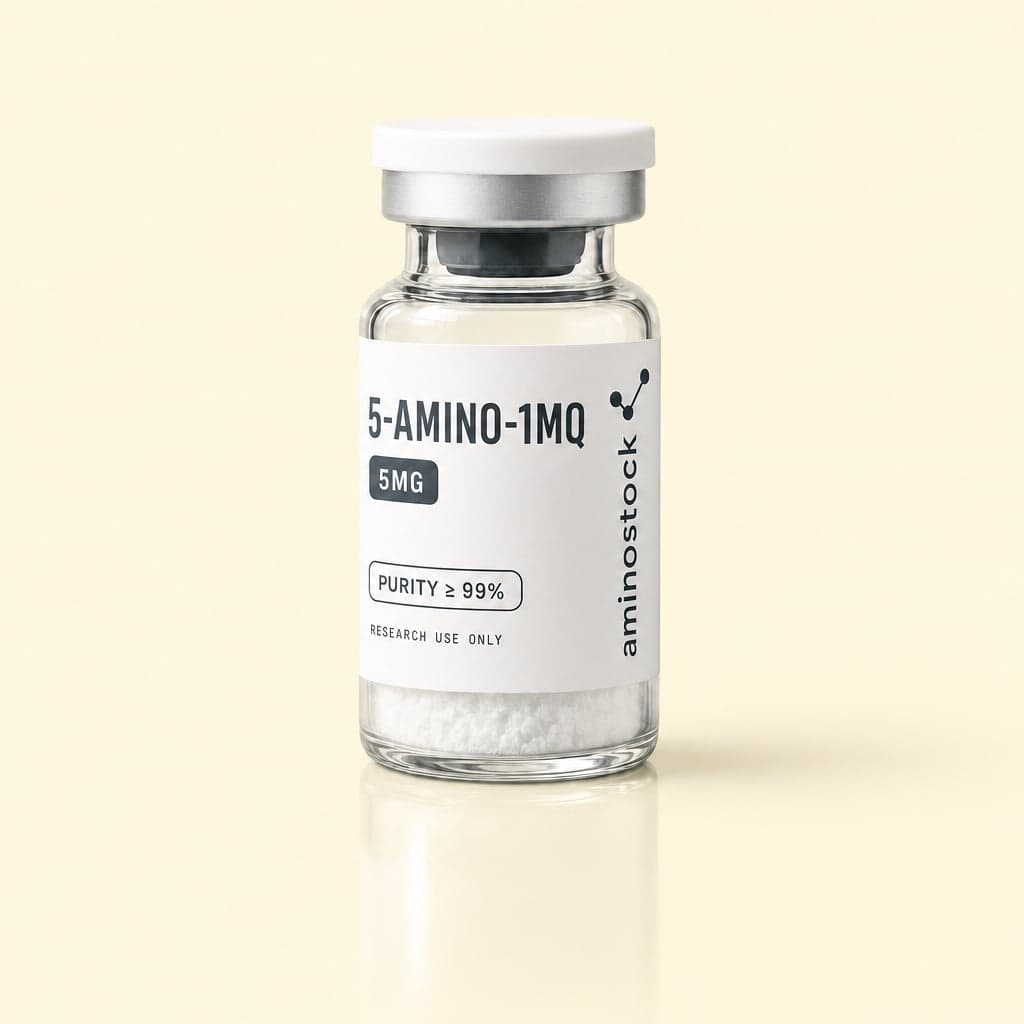
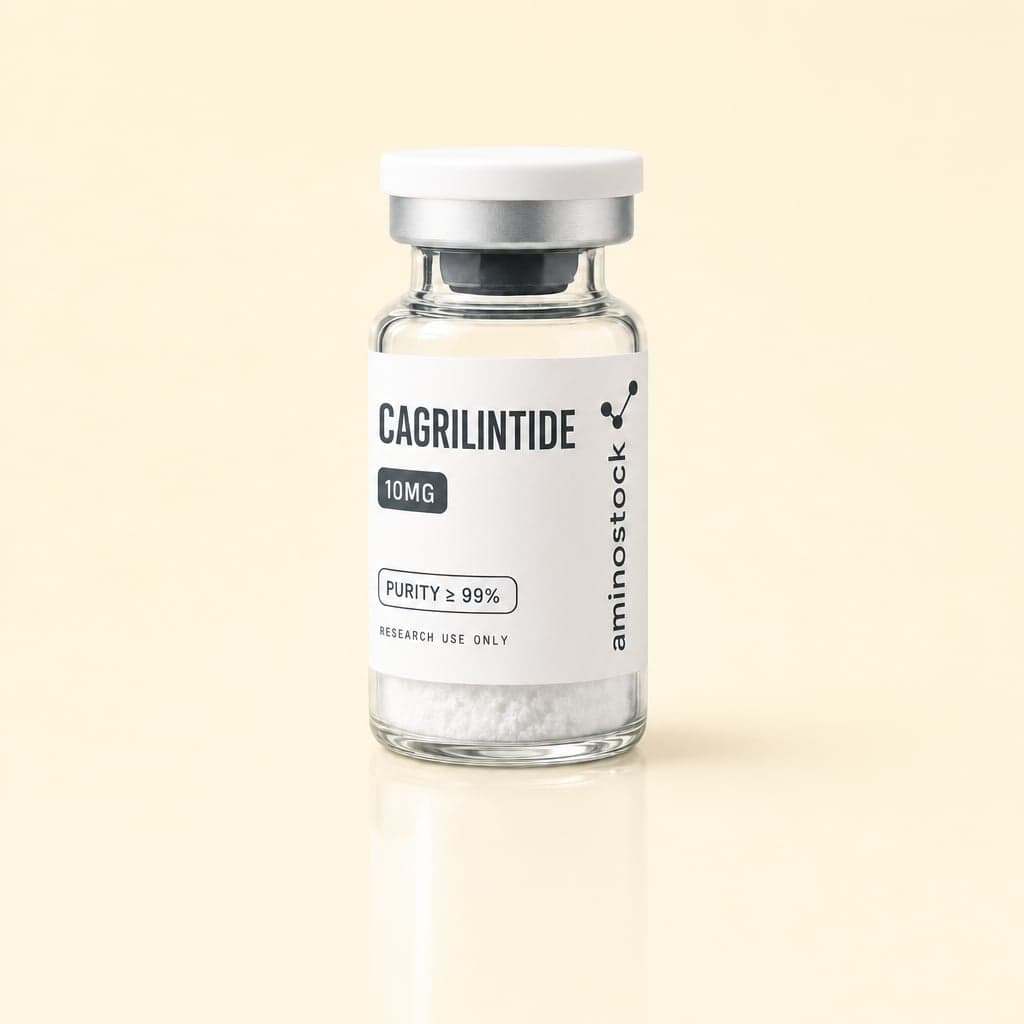
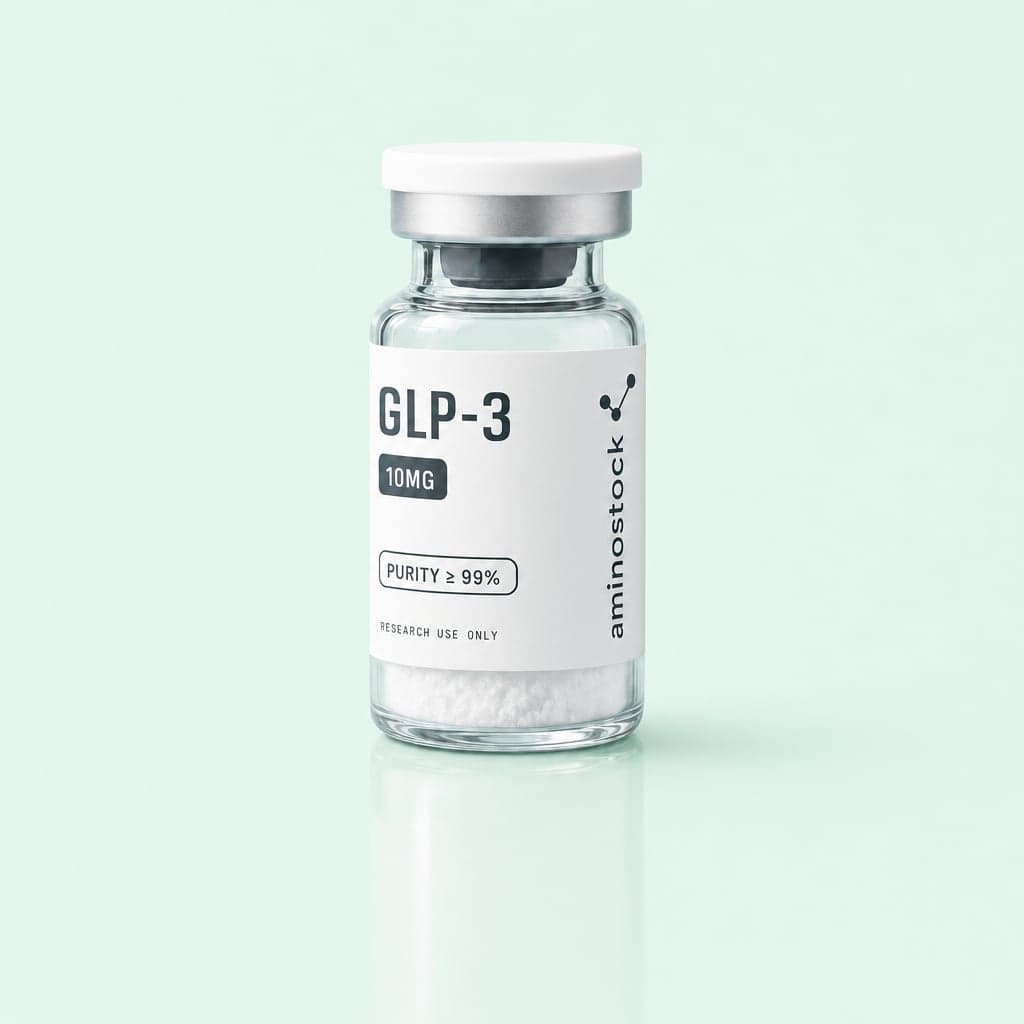
Commonly studied alongside AOD-9604.
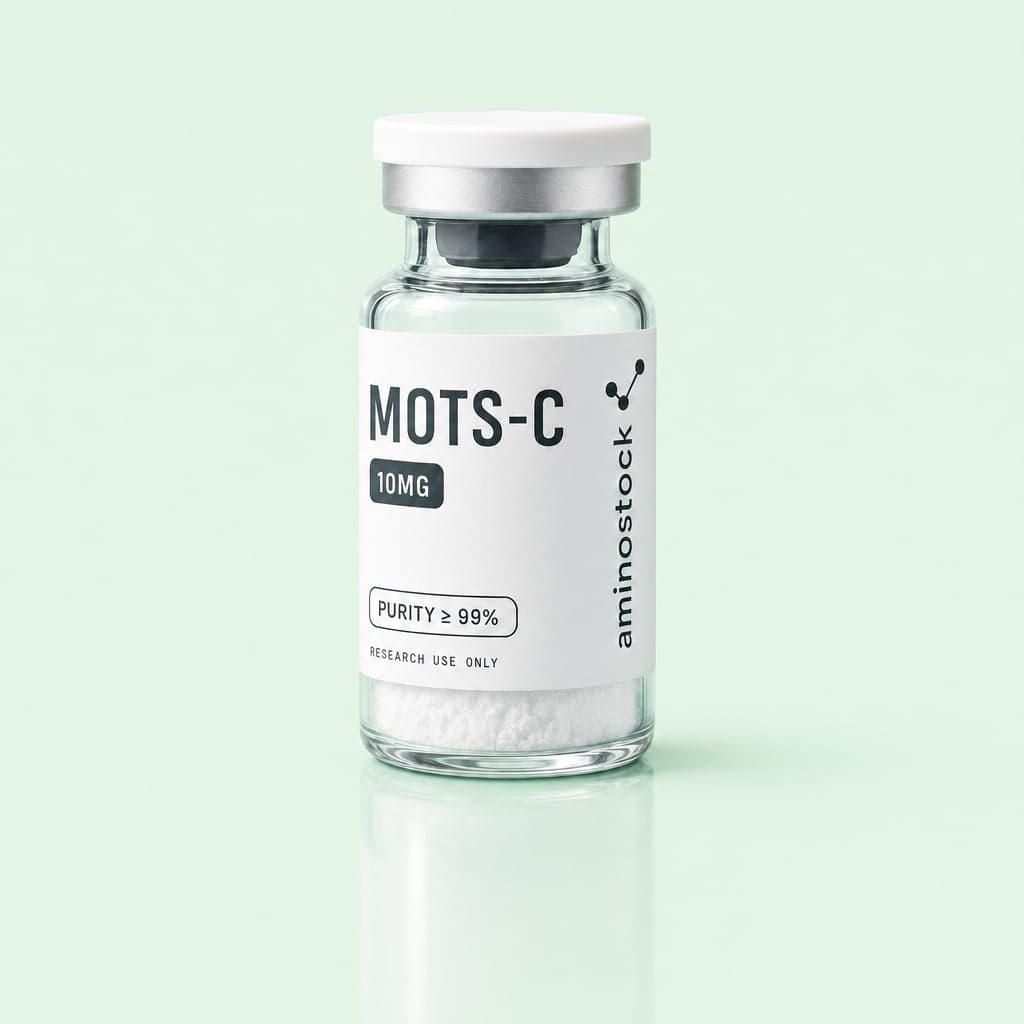
Compound information
Technical specifications
Molecular profile
| Type | Modified peptide fragment |
| CAS number | 221231-10-3 |
| Molecular weight | 1,815.1 g/mol |
| Amino acids | 15 |
| Sequence | Tyr-hGH(177-191) |
| Formula | C78H123N23O23S2 |
Storage & stability
- ❄️
Lyophilized (powder)
-20°C · stable 2+ years
- ❄️
Reconstituted
2–8°C · use within 30 days
AOD-9604 sources & references
Peer-reviewed literature, for research context
- Endocrinology
The effects of human GH and its lipolytic fragment (AOD9604) on lipid metabolism following chronic treatment in obese mice
2001·DOI: 10.1210/endo.142.12.8522·PMID: 11713213Heffernan M et al.
View source - Annals of Clinical & Laboratory Science
Effect of Intra-articular Injection of AOD9604 with or without Hyaluronic Acid in Rabbit Osteoarthritis Model
2015·PMID: 26275694Kwon DR et al.
View source - Journal of Endocrinology and Metabolism
Safety and Tolerability of the Hexadecapeptide AOD9604 in Humans
2013Stier H et al.
View source - Journal of Endocrinology and Metabolism
Safety and Metabolism of AOD9604, a Novel Nutraceutical Ingredient for Improved Metabolic Health
2014Stier H et al.
View source - ASX Announcement
Phase 2B OPTIONS Study Results
2007Metabolic Pharmaceuticals
View source - Hormone Research
Metabolic studies of a synthetic lipolytic domain (AOD9604) of human growth hormone
2000·DOI: 10.1159/000053183·PMID: 11146367Ng FM et al.
View source
More in Metabolic
Every Metabolic research compound in the catalog.
Important research notice
Not for human consumption. This product is sold exclusively for laboratory and in vitro research. It is not intended to diagnose, treat, cure, or prevent any disease.
Any research findings referenced on this page are drawn from published, peer-reviewed literature and are provided for educational context only. They are not product claims and should not be read as medical advice.
By purchasing, you confirm you are a qualified researcher and will handle this material in accordance with all applicable laws and institutional guidelines.