For laboratory research use only — not for human or veterinary use. Not evaluated by the U.S. FDA.
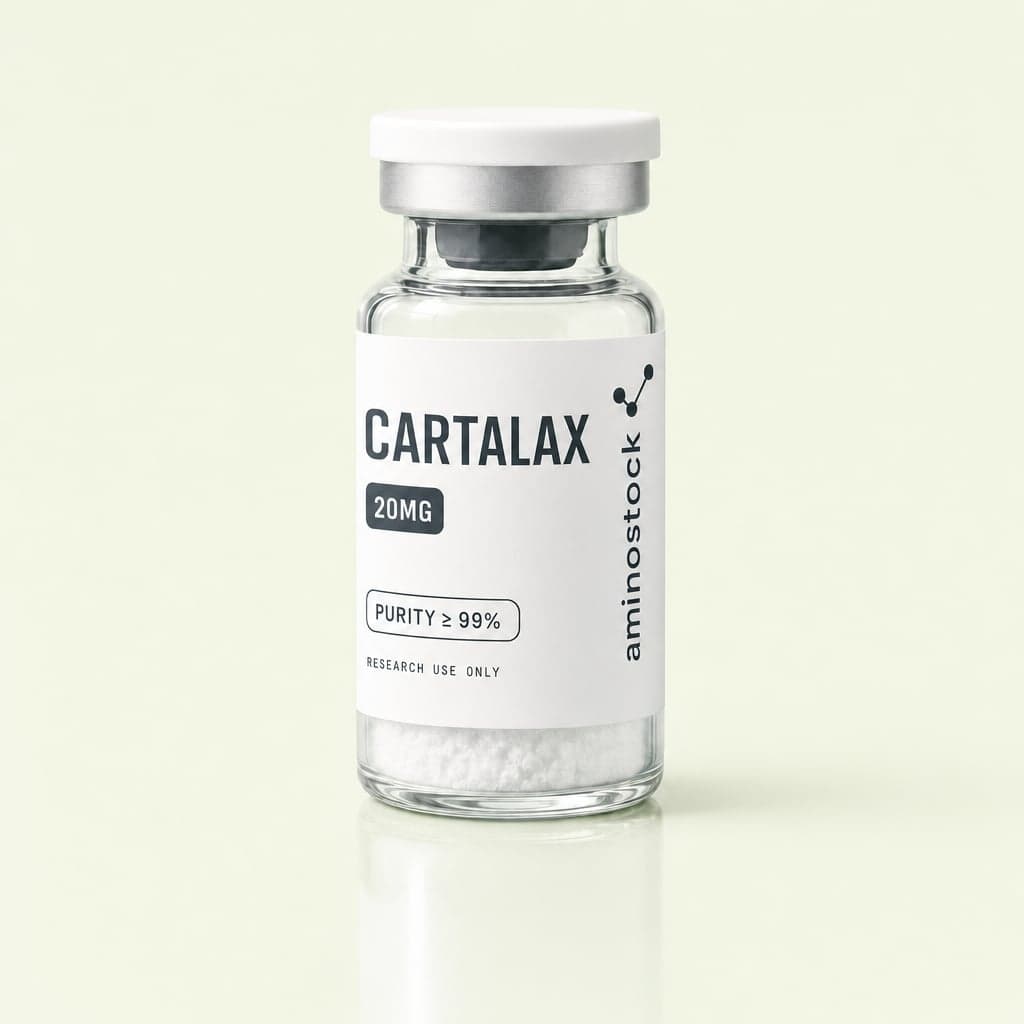
Peptide Bioregulator
Cartalax
A short synthetic peptide from the Khavinson bioregulator series, studied in preclinical models for peptide signaling in cartilage and connective tissue.
Quantity
$69.99
Bundle & save
Order by 3:00 PM ET for same-day dispatch
Cutoff 3:00 PM ET · same-day dispatch
Estimated arrival in 2 business days
Overnight shipping available
Free shipment protection included
Cartalax
1 × 20mg · $69.99
99% purity, QC passed
HPLC + mass-spec verified
Shipment protection
Free on every order
Free shipping over $150
Same-day dispatch before 3PM ET
About Cartalax
Structure and research context
Cartalax is a synthetic tripeptide from the Khavinson bioregulator series with the sequence Ala-Glu-Asp, abbreviated AED in the research literature (formula C12H19N3O8, molecular weight 333.29 g/mol, CAS 85806-95-7). It is an unmodified linear peptide in which an N-terminal alanine is followed by two acidic residues, glutamic acid and aspartic acid. The AED sequence appears in cell-culture work on chondrogenic differentiation and chondrocytes, as well as in studies using dermal fibroblasts, renal cells and mesenchymal stem cells.
Cartalax in the research literature
In mesenchymal stem cell cultures, the AED tripeptide was reported to increase gene expression and protein synthesis of chondrogenic differentiation markers, including SOX9, aggrecan, type II collagen and COMP, in late-passage cultures. In chondrocyte cultures, AED was examined for its effects on a secretory phenotype characterized by increased p16, p21, p53, TNF-α and IL-1α and reduced Sirt1 synthesis.
In dermal fibroblast cultures, AED was reported to increase synthesis of sirtuin-1, sirtuin-6 and collagen I. Work in renal cell cultures described changes in p16, p21, p53 and SIRT-6 expression, and molecular docking studies have modeled AED binding to specific double-stranded DNA sequences.
Summarized from peer-reviewed literature for research context only; not a product claim. PubMed: 37782646 · 37356100 · 33231794 · 25946838 · 27909961
Cartalax Certificate of Analysis
Third-party tested · Independent analytical lab
20mg
99.83%latest
| Tested | Measured | Purity |
|---|---|---|
| Jun 2026 | 22.88mg | 99.83% |
| May 2026 | 20.60mg | 99.91% |
| Jan 2026 | 21.40mg | 99.85% |
| Dec 2025 | 21.47mg | 99.42% |
| Nov 2025 | 21.65mg | 99.80% |
Frequently researched together
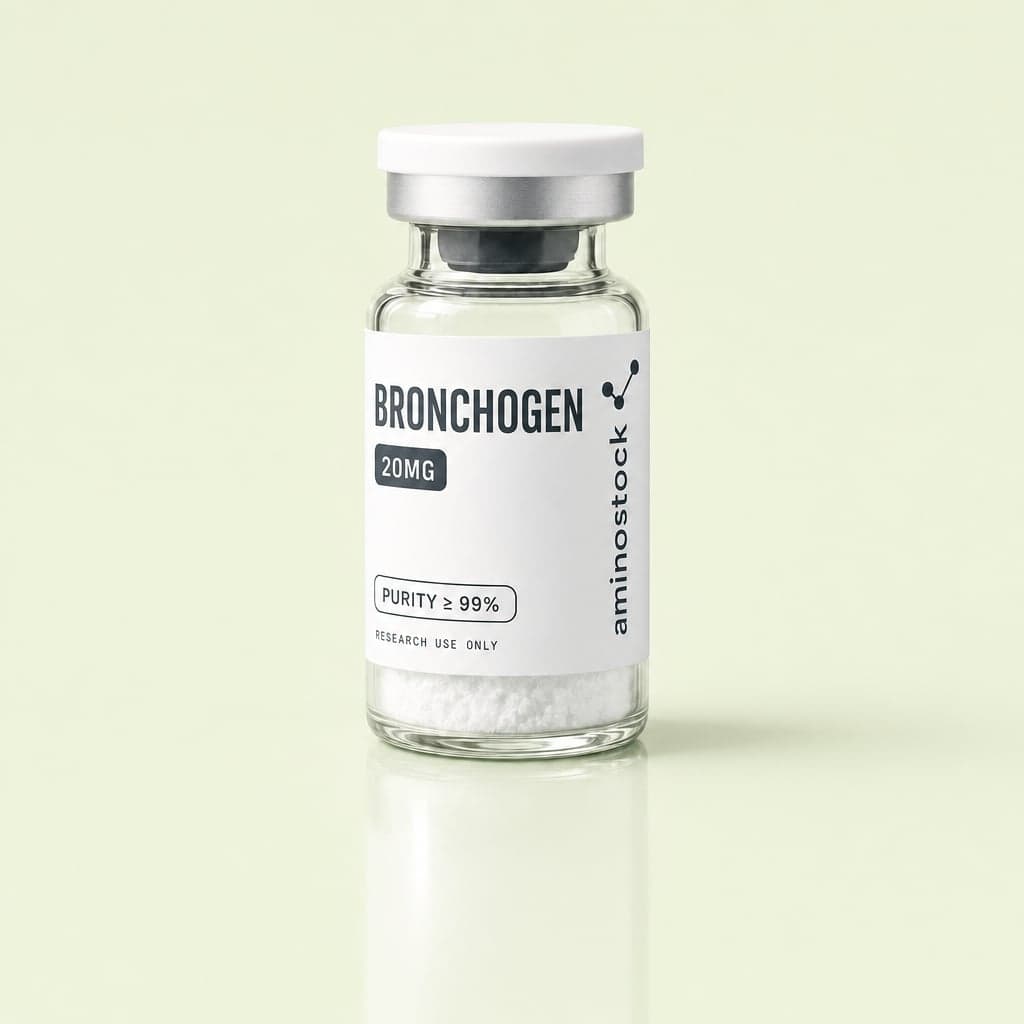
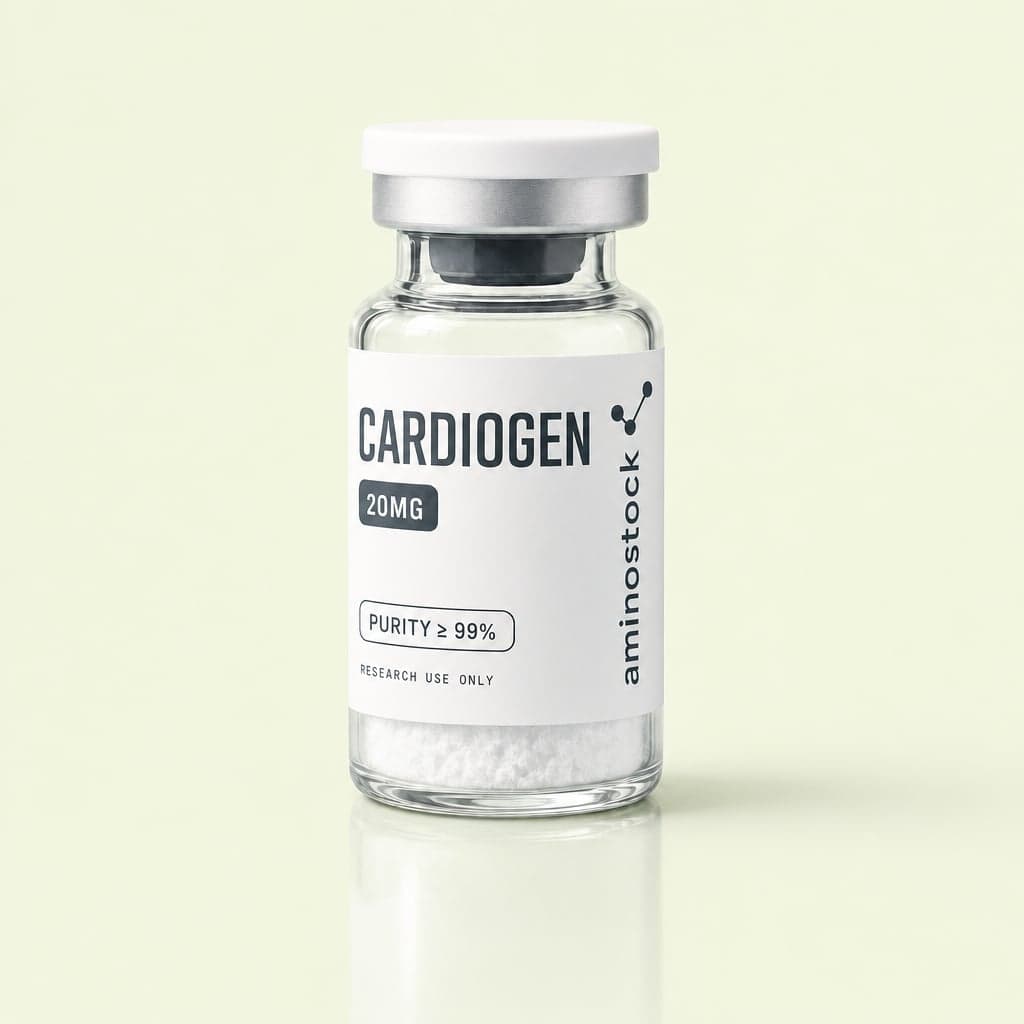
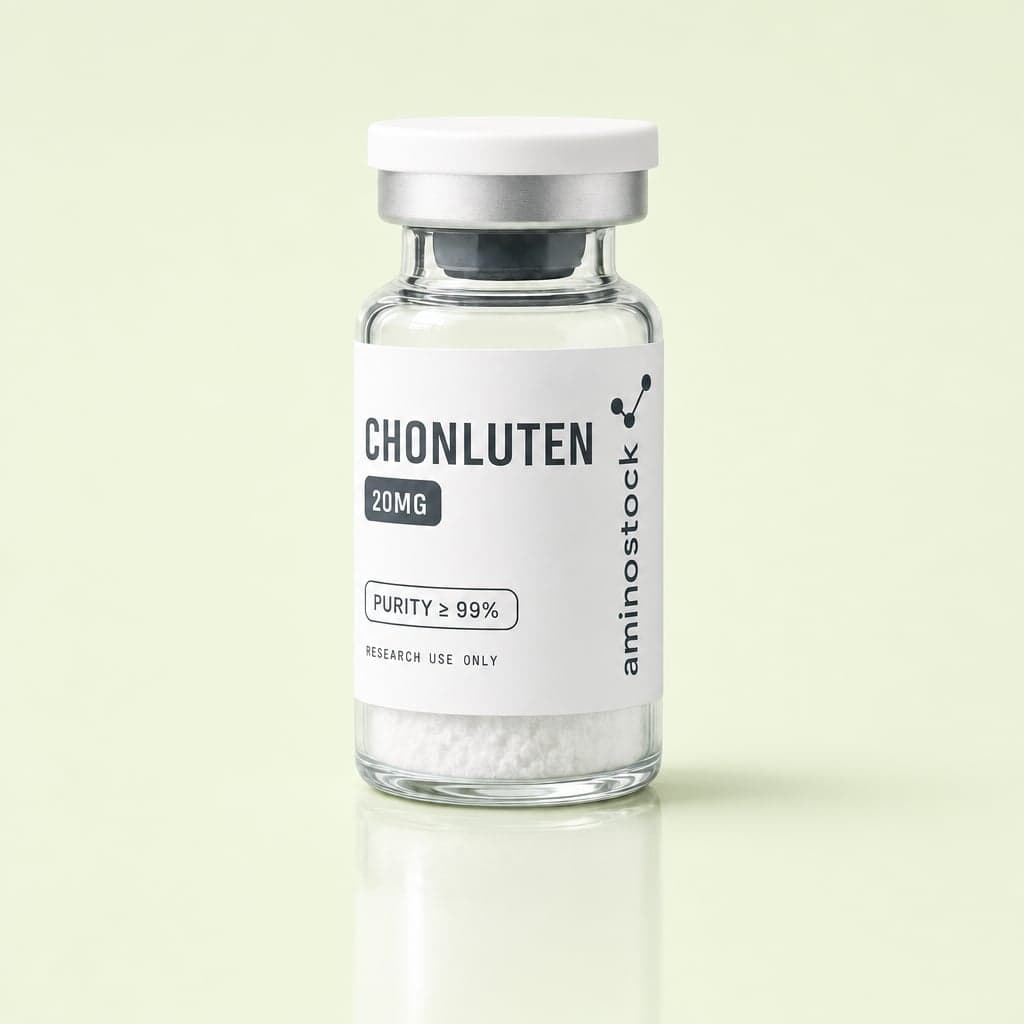
Commonly studied alongside Cartalax.
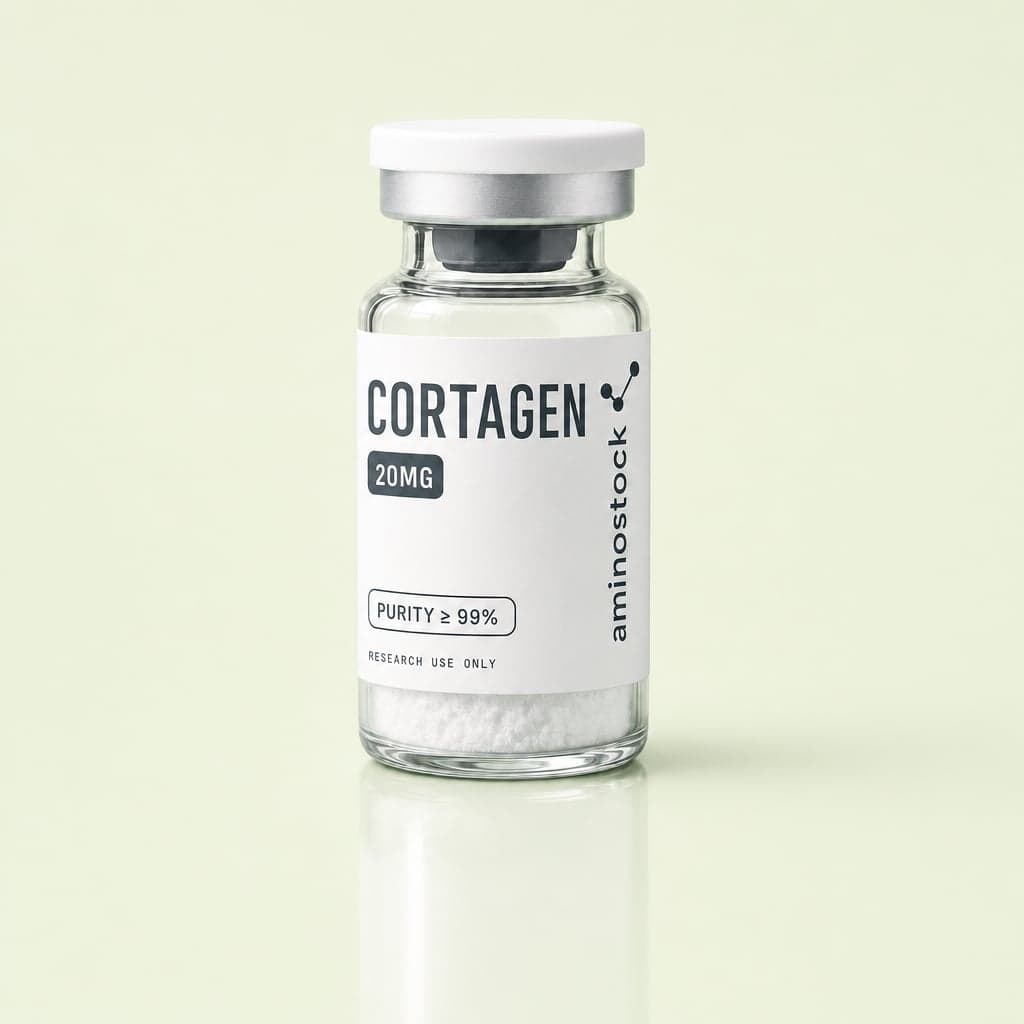
Compound information
Technical specifications
Molecular profile
| Type | Synthetic tripeptide bioregulator |
| CAS number | 85806-95-7 |
| Molecular weight | 333.29 g/mol |
| Amino acids | 3 |
| Sequence | Ala-Glu-Asp |
| Formula | C12H19N3O8 |
Storage & stability
- ❄️
Lyophilized (powder)
-20°C · stable 2+ years
- ❄️
Reconstituted
2–8°C · use within 30 days
More in Bioregulator
Every Bioregulator research compound in the catalog.
Important research notice
Not for human consumption. This product is sold exclusively for laboratory and in vitro research. It is not intended to diagnose, treat, cure, or prevent any disease.
Any research findings referenced on this page are drawn from published, peer-reviewed literature and are provided for educational context only. They are not product claims and should not be read as medical advice.
By purchasing, you confirm you are a qualified researcher and will handle this material in accordance with all applicable laws and institutional guidelines.