For laboratory research use only — not for human or veterinary use. Not evaluated by the U.S. FDA.
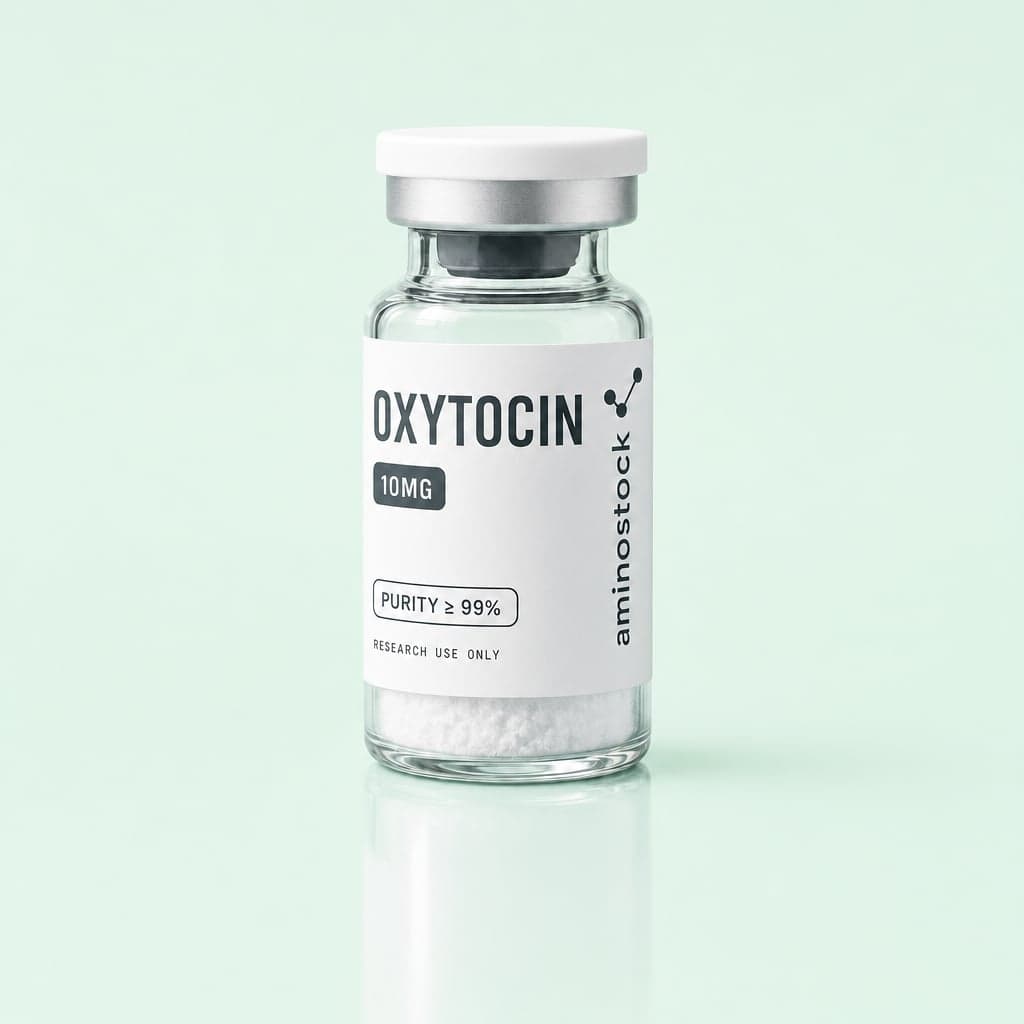
Cellular Peptide
Oxytocin
A nine-amino-acid neurohypophyseal hormone, extensively studied in research models for oxytocin receptor signaling in social, reproductive, and smooth-muscle physiology.
Quantity
$49.99
Bundle & save
Order by 3:00 PM ET for same-day dispatch
Cutoff 3:00 PM ET · same-day dispatch
Estimated arrival in 2 business days
Overnight shipping available
Free shipment protection included
Oxytocin
1 × 10mg · $49.99
99% purity, QC passed
HPLC + mass-spec verified
Shipment protection
Free on every order
Free shipping over $150
Same-day dispatch before 3PM ET
About Oxytocin
Structure and research context
Oxytocin is a nonapeptide neurohypophysial hormone, Cys-Tyr-Ile-Gln-Asn-Cys-Pro-Leu-Gly-NH2 (C43H66N12O12S2, 1007.2 g/mol). A disulfide bridge between the cysteines at positions 1 and 6 forms the cyclic tocin ring, which is followed by a short C-terminal tail ending in glycinamide. Oxytocin and vasopressin differ by only two residues, and molecular dynamics work describes both as conformationally flexible cyclic peptides. In the brain, oxytocinergic projections link the paraventricular nucleus of the hypothalamus with regions including the amygdala, the bed nucleus of the stria terminalis and the medial prefrontal cortex.
Oxytocin in the research literature
Oxytocin acts through a single receptor, the oxytocin receptor (OXTR), a seven-transmembrane G protein-coupled receptor able to couple to Gαq or Gαi proteins. Downstream cascades described in the literature include the MAPK, PKC, PLC and CaMK pathways, converging on transcription factors such as CREB and MEF-2, with reported cellular responses including regulation of neurite outgrowth and cell viability.
A 2022 cryo-electron microscopy structure of the active-state receptor bound to oxytocin and a miniGq/i protein described an activation mechanism involving a Mg2+ coordination complex between the peptide and the receptor and disruption of transmembrane helix 7. The same study found that the identity of a single cation-coordinating residue determines whether receptors of the vasopressin family are cation-dependent. Circuit-level studies in rodent and prairie vole models have used genetic tools to monitor and manipulate oxytocin receptor-expressing neurons and to examine effects on neuronal spiking and synaptic plasticity.
Summarized from peer-reviewed literature for research context only; not a product claim. PubMed: 25231121 · 29897293 · 35241813 · 33823654
Oxytocin Certificate of Analysis
Third-party tested · Independent analytical lab
10mg
94.04%latest
| Tested | Measured | Purity |
|---|---|---|
| Jun 2026 | 11.42mg | 94.04% |
| Feb 2026 | 13.90mg | 99.20% |
| Dec 2025 | 14.53mg | 97.13% |
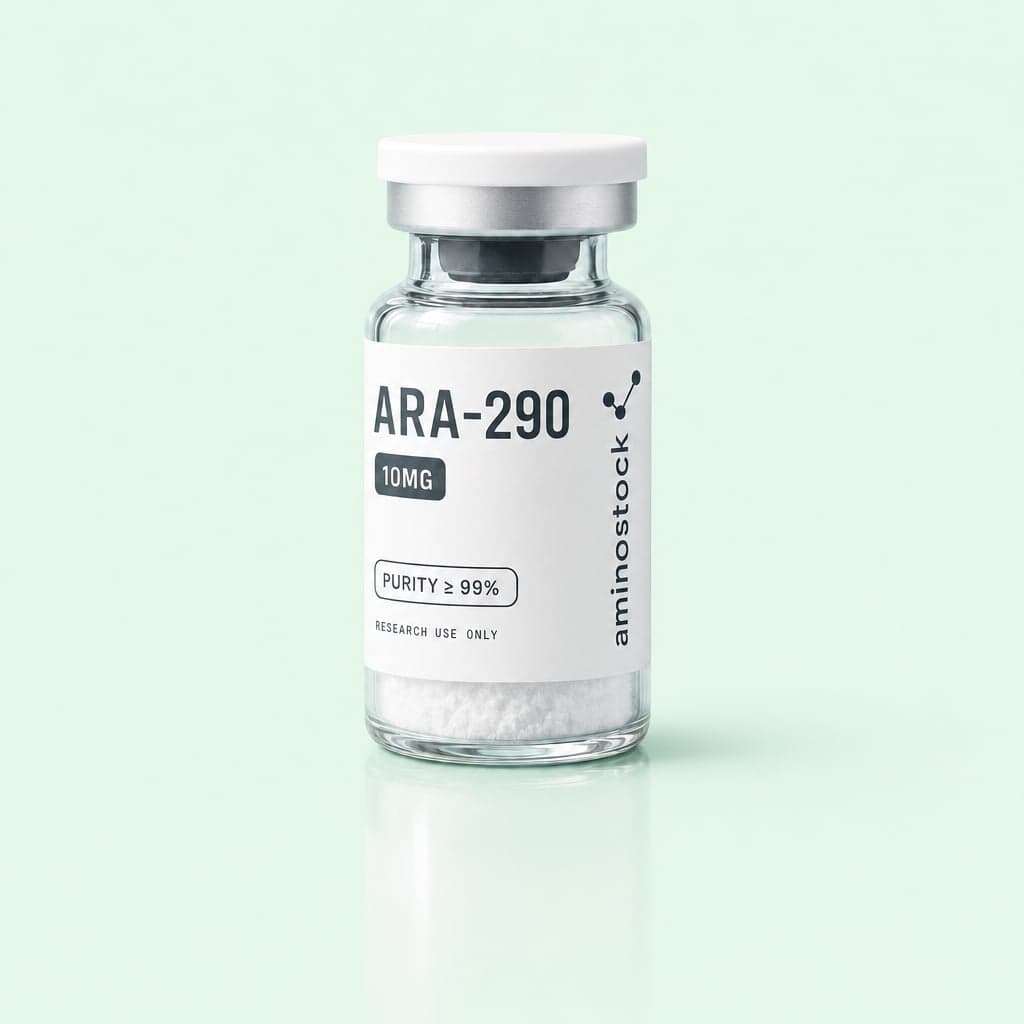
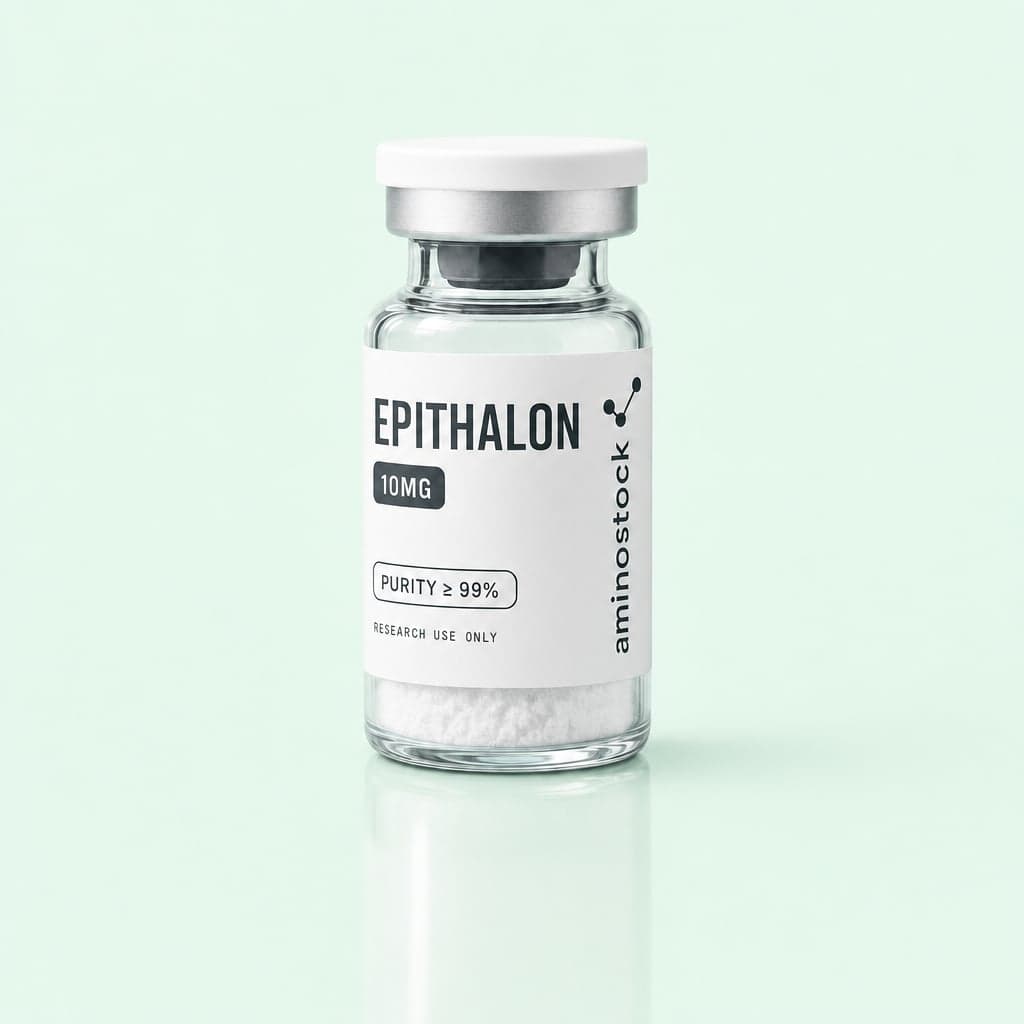
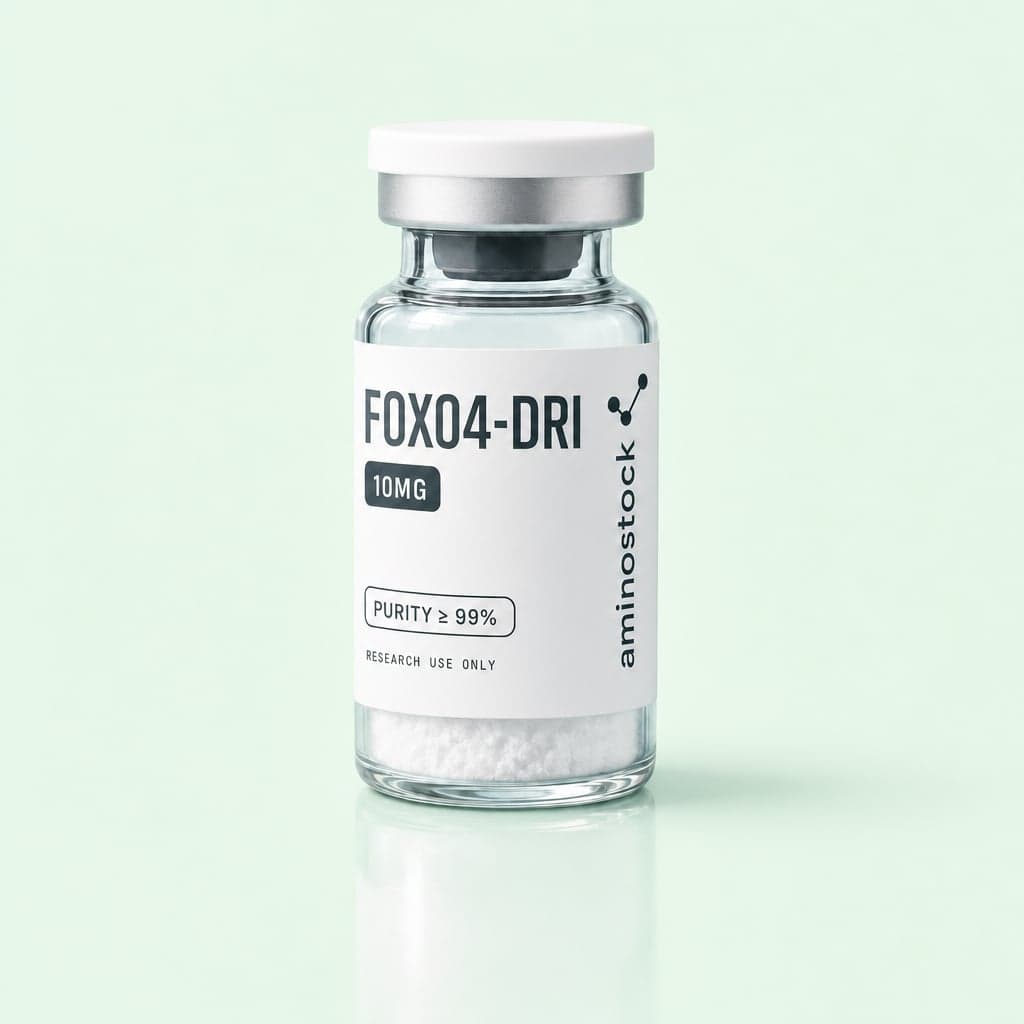
Frequently researched together
Commonly studied alongside Oxytocin.
Compound information
Technical specifications
Molecular profile
| Type | Nonapeptide neurohypophysial hormone |
| CAS number | 4248-64-0 |
| Molecular weight | 1007.2 g/mol |
| Amino acids | 9 |
| Sequence | Cys-Tyr-Ile-Gln-Asn-Cys-Pro-Leu-Gly-NH2 |
| Formula | C43H66N12O12S2 |
Storage & stability
- ❄️
Lyophilized (powder)
-20°C · stable 2+ years
- ❄️
Reconstituted
2–8°C · use within 30 days
Oxytocin sources & references
Peer-reviewed literature, for research context
- Physiological reviews
The Oxytocin Receptor: From Intracellular Signaling to Behavior
2018·DOI: 10.1152/physrev.00031.2017·PMID: 29897293Jurek B, Neumann ID
View source - Annual review of neuroscience
Oxytocin, Neural Plasticity, and Social Behavior
2021·DOI: 10.1146/annurev-neuro-102320-102847·PMID: 33823654Froemke RC, Young LJ
View source - Peptides
Neuropeptides affecting social behavior in mammals: Oxytocin
2024·DOI: 10.1016/j.peptides.2024.171223·PMID: 38626843Zhou H, Zhu R, Xia Y, Zhang X, Wang Z, Lorimer GH
View source - Hormones and behavior
Modulating social behavior with oxytocin: how does it work? What does it mean?
2012·DOI: 10.1016/j.yhbeh.2011.12.003·PMID: 22197271Churchland PS, Winkielman P
View source
More in Cellular
Every Cellular research compound in the catalog.
Important research notice
Not for human consumption. This product is sold exclusively for laboratory and in vitro research. It is not intended to diagnose, treat, cure, or prevent any disease.
Any research findings referenced on this page are drawn from published, peer-reviewed literature and are provided for educational context only. They are not product claims and should not be read as medical advice.
By purchasing, you confirm you are a qualified researcher and will handle this material in accordance with all applicable laws and institutional guidelines.