For laboratory research use only — not for human or veterinary use. Not evaluated by the U.S. FDA.
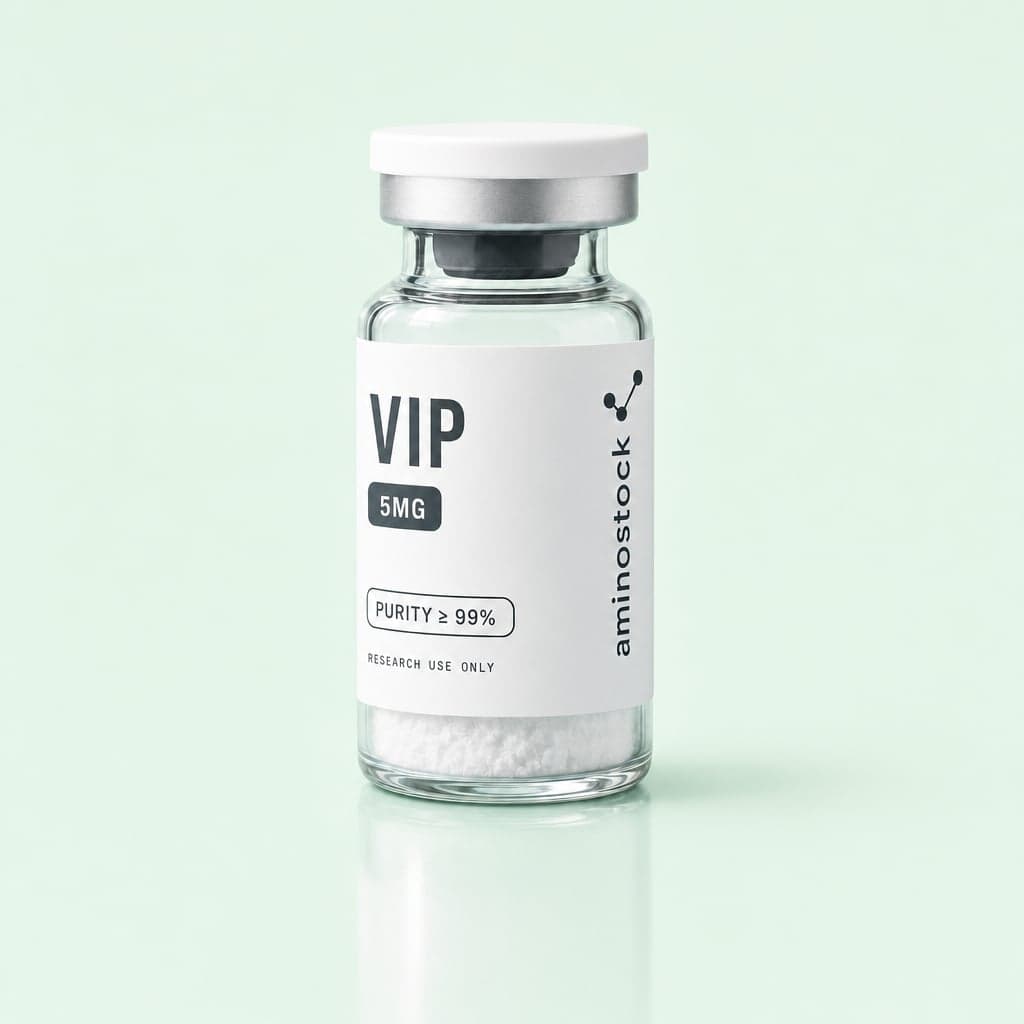
Cellular Peptide
VIP
A 28-amino-acid neuropeptide of the secretin family, studied in research models for VPAC receptor signaling across vasodilatory, immune, and circadian pathways.
Size
Quantity
$29.99
Bundle & save
Order by 3:00 PM ET for same-day dispatch
Cutoff 3:00 PM ET · same-day dispatch
Estimated arrival in 2 business days
Overnight shipping available
Free shipment protection included
VIP
1 × 5mg · $29.99
99% purity, QC passed
HPLC + mass-spec verified
Shipment protection
Free on every order
Free shipping over $150
Same-day dispatch before 3PM ET
About VIP
Structure and research context
Vasoactive intestinal peptide (VIP) is a 28-amino-acid neuropeptide (C147H237N43O43S, 3326.8 g/mol), first reported in 1970 as a vasodilatory gut peptide hormone. It is produced by lymphoid cells as well as by neural cells. VIP and the related pituitary adenylate cyclase-activating polypeptide (PACAP) are the primary endogenous stimuli for three class B G protein-coupled receptors: VPAC1, VPAC2 and PAC1. Splice-variant diversity in VIP, PACAP and their receptors has been reported to affect agonist selectivity, potency and signaling properties.
VIP in the research literature
Structural research has produced cryo-EM structures of VPAC1 and PAC1 in agonist-bound active states, and analyses of these structures have mapped molecular switches and interhelical interactions linked to agonist binding and receptor activation. In the gastrointestinal literature, VIP has been studied for its roles in ion secretion, nutrient absorption and gut motility, and genetic ablation of the peptide and its receptors in mice has been used to probe these pathways.
In the immune system, VIP acts through receptors on several immunocompetent cell types and has been reported to regulate production of pro- and anti-inflammatory mediators and expression of co-stimulatory molecules associated with Th1 and Th2 differentiation. In the mouse suprachiasmatic nucleus, intersectional genetics and real-time imaging showed that cells expressing VIP or VPAC2 are neurochemically and electrophysiologically distinct and together set ensemble circadian period and phase.
Summarized from peer-reviewed literature for research context only; not a product claim. PubMed: 36204104 · 31559013 · 35203615 · 11862320 · 32636383
VIP Certificate of Analysis
Third-party tested · Independent analytical lab
10mg
99.14%latest
| Tested | Measured | Purity |
|---|---|---|
| Jun 2026 | 11.52mg | 99.14% |
| Jan 2026 | 11.01mg | 99.78% |
| Nov 2025 | 11.61mg | 99.51% |
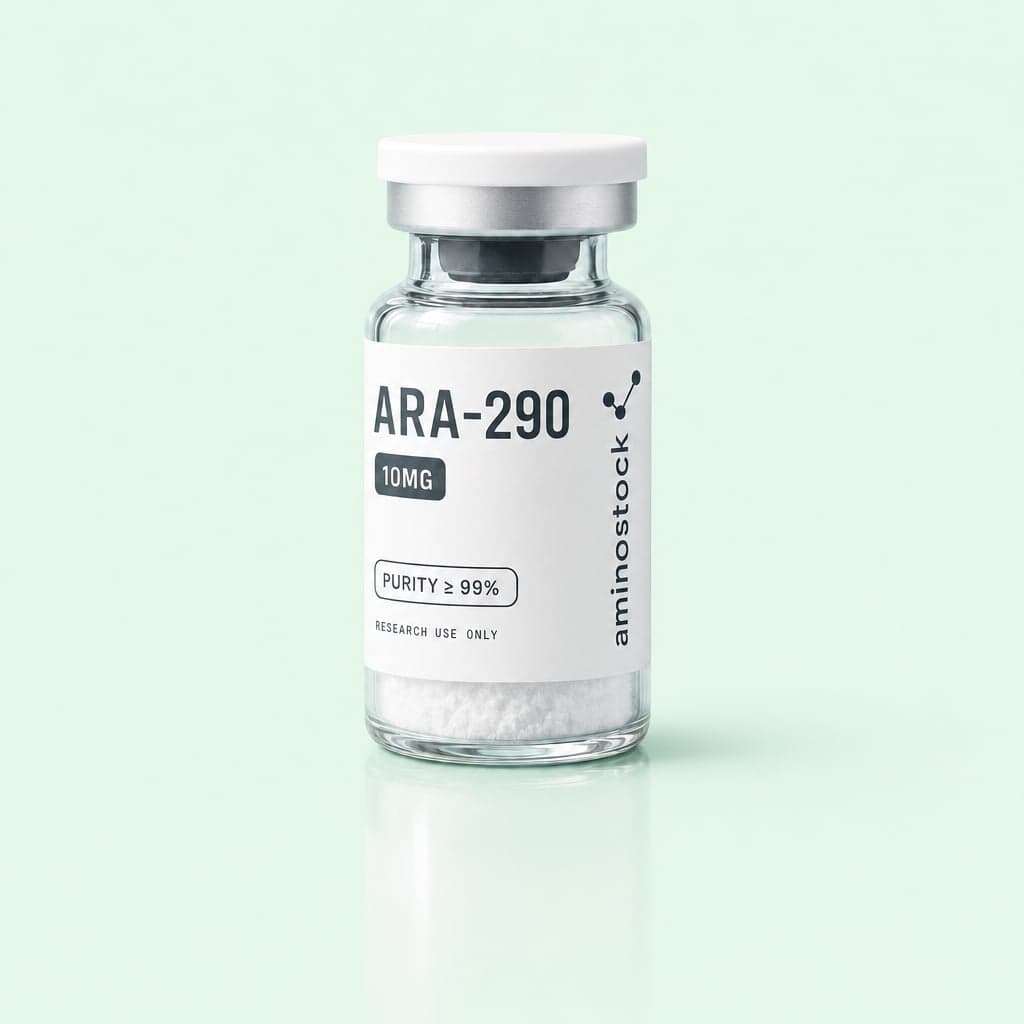
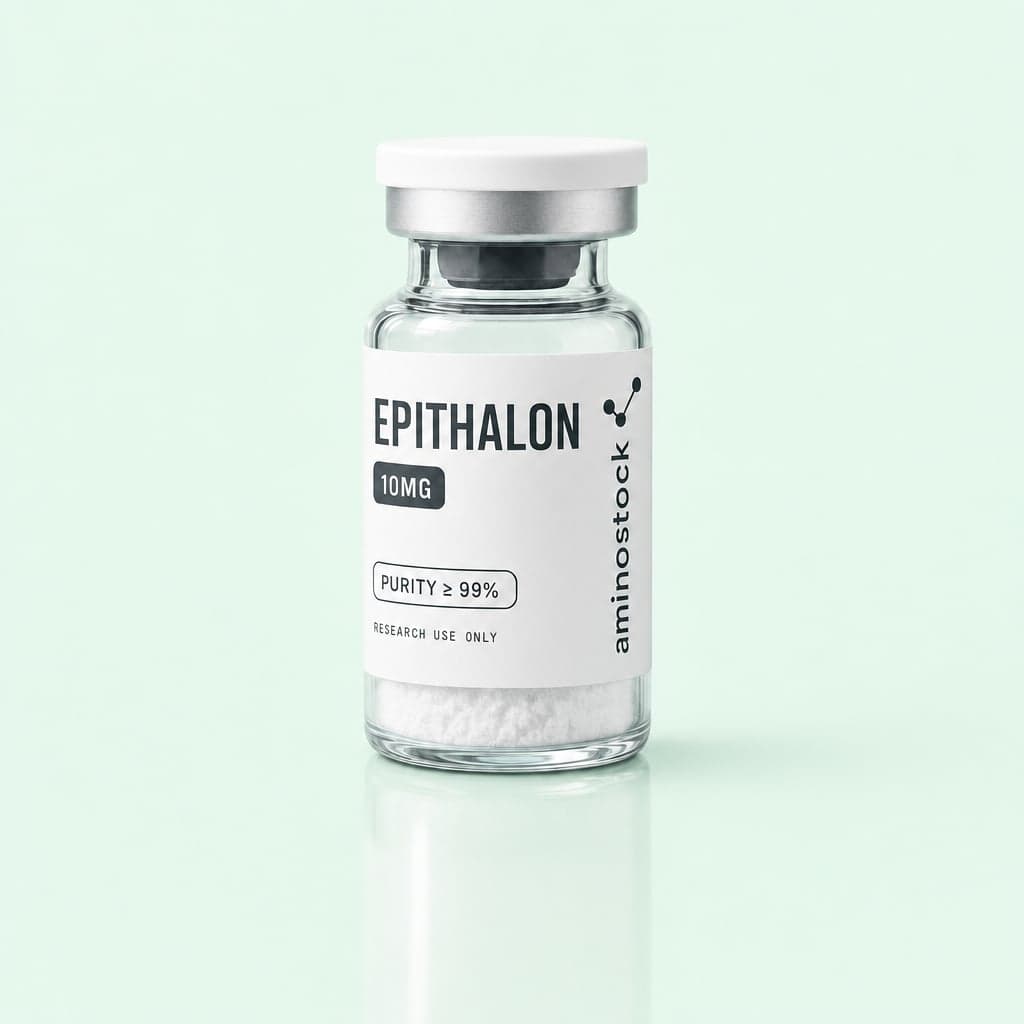
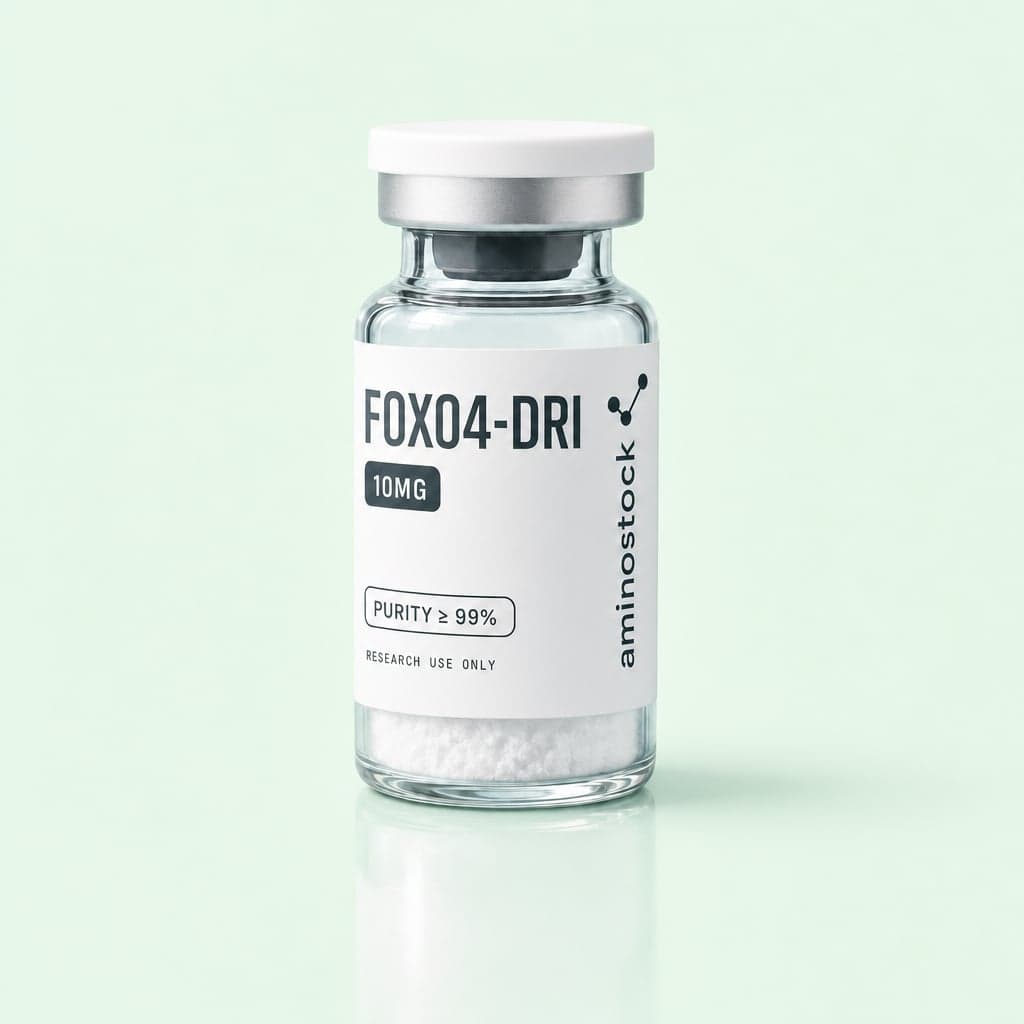
Frequently researched together
Commonly studied alongside VIP.
Compound information
Technical specifications
Molecular profile
| Type | 28-amino-acid vasoactive intestinal peptide |
| CAS number | 37221-79-7 |
| Molecular weight | 3326.8 g/mol |
| Amino acids | 28 |
| Formula | C147H237N43O43S |
Storage & stability
- ❄️
Lyophilized (powder)
-20°C · stable 2+ years
- ❄️
Reconstituted
2–8°C · use within 30 days
VIP sources & references
Peer-reviewed literature, for research context
- Frontiers in endocrinology
Therapeutic potential of vasoactive intestinal peptide and its receptor VPAC2 in type 2 diabetes
2022·DOI: 10.3389/fendo.2022.984198·PMID: 36204104Hou X, Yang D, Yang G, Li M, Zhang J, Zhang J
View source - F1000Research
Recent advances in vasoactive intestinal peptide physiology and pathophysiology: focus on the gastrointestinal system
2019·DOI: 10.12688/f1000research.18039.1·PMID: 31559013Iwasaki M, Akiba Y, Kaunitz JD
View source - Journal of molecular medicine (Berlin, Germany)
Vasoactive intestinal peptide in the immune system: potential therapeutic role in inflammatory and autoimmune diseases
2002·DOI: 10.1007/s00109-001-0291-5·PMID: 11862320Delgado M, Abad C, Martinez C, Juarranz MG, Arranz A, Gomariz RP
View source
More in Cellular
Every Cellular research compound in the catalog.
Important research notice
Not for human consumption. This product is sold exclusively for laboratory and in vitro research. It is not intended to diagnose, treat, cure, or prevent any disease.
Any research findings referenced on this page are drawn from published, peer-reviewed literature and are provided for educational context only. They are not product claims and should not be read as medical advice.
By purchasing, you confirm you are a qualified researcher and will handle this material in accordance with all applicable laws and institutional guidelines.